


Vietnam boasts a remarkably diverse coastline stretching over 3,000 kilometers, offering travelers a rich array of beaches—from serene northern shores to tropical southern paradises. Each beach town has its own unique charm, combining natural beauty, local culture, and a relaxing vibe. Whether you’re seeking quiet solitude, thrilling water sports, or cultural exploration, Vietnam’s beach towns deliver unforgettable experiences. Here’s a journey from north to south, exploring eight enchanting destinations that are magical all year round.
1. Ha Long Bay Coast – Quang Ninh, Northern Vietnam
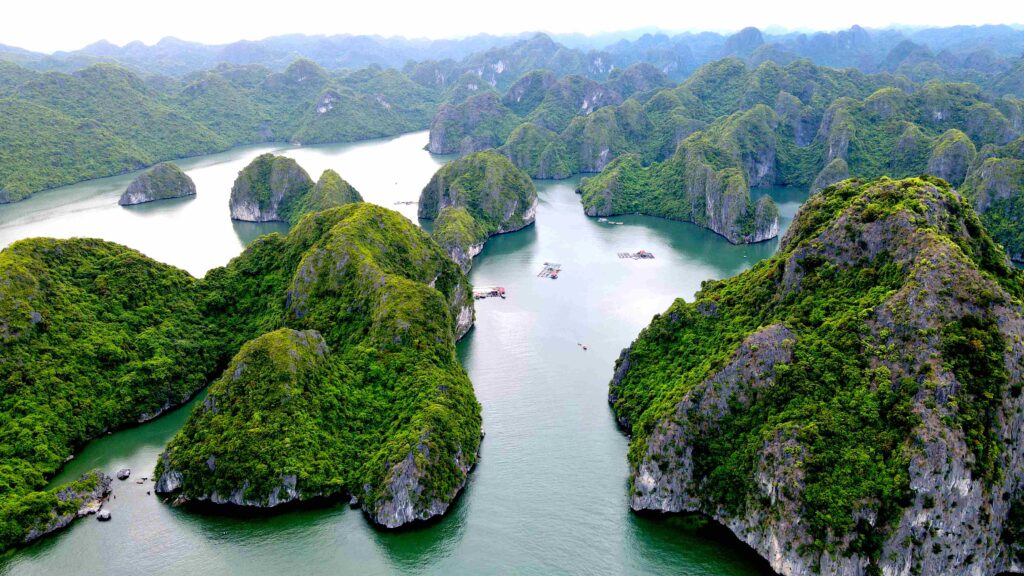
While Ha Long Bay is world-famous for its limestone karsts, the surrounding beaches are often overlooked gems. Bai Chay Beach offers a long stretch of golden sand and calm waters with breathtaking views of the karsts rising from the bay. Early mornings are perfect for a leisurely stroll along the shore while the soft sunlight dances on the water. Afternoon visitors can take a boat trip to nearby islands, explore hidden caves, or simply relax on a sun lounger with a fresh coconut in hand. The juxtaposition of peaceful beaches and dramatic landscapes makes Ha Long’s coastline a must-see for travelers seeking both beauty and tranquility.
2. Tra Co Beach – Quang Ninh, Northern Vietnam
For those craving a quieter northern escape, Tra Co Beach is a true hidden gem. Its vast golden sands stretch for kilometers, gently kissed by calm turquoise waters, creating a perfect setting for swimming, sunbathing, or beachcombing. The nearby fishing villages offer a glimpse of daily life and a chance to taste freshly caught seafood prepared in simple yet flavorful ways. For nature lovers, a walk through the mangrove forests or a sunrise photography session can turn an ordinary beach day into a memorable adventure. Tra Co’s peaceful atmosphere and authenticity make it a destination that international travelers often cherish for its “off-the-beaten-path” charm.
3. Quy Nhon – South Central Vietnam
Heading south, Quy Nhon is a coastal town known for its tranquil beaches and unspoiled natural beauty. Bai Xep and Ky Co offer soft sand, clear water, and dramatic coastal landscapes, ideal for swimming, snorkeling, or simply soaking in the sun. Beyond the beaches, visitors can explore nearby fishing villages, hike scenic hillsides, or enjoy local seafood specialties in quaint restaurants right on the shore. Quy Nhon remains less crowded than the more famous central coast destinations, providing a sense of peaceful escape while still offering modern amenities and a touch of local culture.
4. Nha Trang – South Central Vietnam
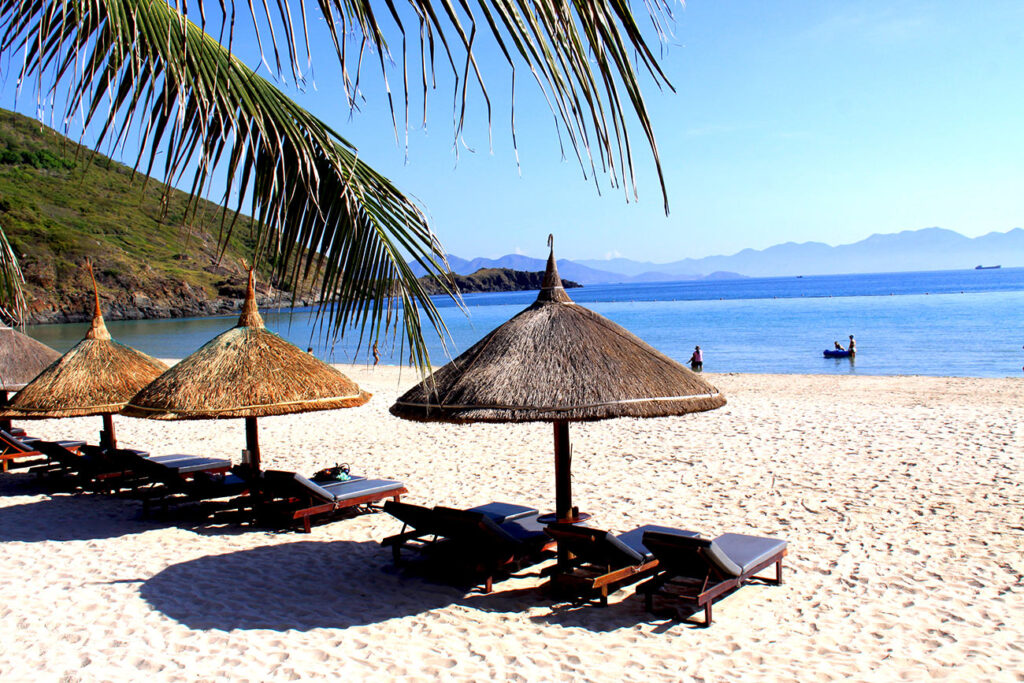
Known as Vietnam’s “Riviera,” Nha Trang offers a lively beach experience combined with vibrant city energy. Tran Phu Beach, stretching along the city, is ideal for swimming, sunbathing, and observing local life. Beyond the sand, travelers can take a boat to explore nearby islands, snorkel or dive among vibrant coral reefs, or visit cultural sites like the Po Nagar Cham Towers, which date back to the 7th century. Nha Trang is perfect for those who want a blend of relaxation, adventure, and cultural immersion, with plenty of dining and entertainment options along the bustling seafront.
5. Mui Ne – Southern Vietnam
Famed for its red and white sand dunes, Mui Ne offers both adventure and serenity. Kite surfing, windsurfing, and paddleboarding are popular here, thanks to strong and consistent coastal winds. Visitors can also take a leisurely stroll along quiet beaches, enjoy stunning sunrises and sunsets over the dunes, or visit local fishing villages to witness daily life and taste freshly grilled seafood. The nearby Fairy Stream, a shallow creek running through colorful sandstone formations, adds an extra layer of charm to any trip. Mui Ne’s combination of natural wonders and small-town character ensures that every visit feels unique and magical.
6. Phu Quoc – Southern Vietnam
Vietnam’s largest island, Phu Quoc, is a tropical paradise offering a mix of lively and secluded beaches. Long Beach is ideal for swimming and sunset-watching, while northern beaches such as Bai Dai provide serene, untouched landscapes. Visitors can snorkel or dive in crystal-clear waters, explore tropical forests, or visit local pepper farms and fish sauce factories for a cultural touch. Phu Quoc also boasts a vibrant night market where travelers can taste exotic fruits, seafood, and local delicacies. Whether staying in a luxury resort, eco-lodge, or boutique hotel, Phu Quoc offers experiences that combine nature, relaxation, and adventure.
7. Con Dao – Southern Vietnam
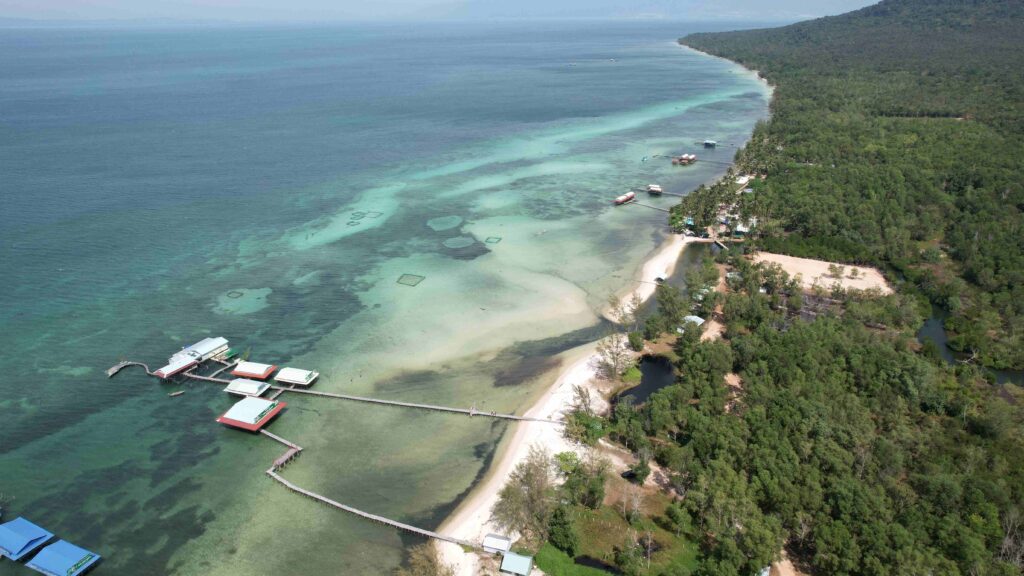
For travelers seeking pristine landscapes and solitude, Con Dao is a dream destination. Its white sand beaches, lush forests, and turquoise waters create a picture-perfect environment. Visitors can snorkel, dive, or hike along forest trails while spotting native wildlife. Con Dao is also famous for its sea turtle nesting sites, which adds a magical and rare experience to any visit. The islands’ quiet ambiance and natural beauty make it a top choice for those wanting to disconnect from the world and reconnect with nature.
8. Vung Tau – Southern Vietnam
Close to Ho Chi Minh City, Vung Tau is an ideal weekend beach getaway. Its long sandy beaches and calm waters are perfect for swimming, sunbathing, or strolling along the lively promenade. Vung Tau also offers cultural highlights, such as the Christ the King Statue, local markets, and delicious street food. Its accessibility makes it a convenient yet charming destination for international travelers looking to experience the southern coast without a long journey.
Why Vietnam’s Beaches Are Magical Year-Round
From north to south, Vietnam’s beaches showcase incredible diversity. Northern beaches like Tra Co and Ha Long offer serenity and authentic experiences, central towns such as Quy Nhon and Nha Trang combine natural beauty with culture, while southern paradises like Mui Ne, Phu Quoc, Con Dao, and Vung Tau offer tropical charm and adventure. The variety of climates and coastal landscapes ensures that visitors can enjoy Vietnam’s beaches throughout the year.
Tips for Visiting Vietnam’s Beach Towns
- Best Time to Visit: Northern beaches are best from May to September; central and southern beaches can be visited year-round, with the dry season (November to April) optimal for most destinations.
- What to Pack: Sun protection, swimwear, comfortable shoes for walking or hiking, light clothing, and a camera to capture stunning scenery.
- Getting Around: Most towns are accessible by plane, train, or scenic coastal drives. Exploring Vietnam’s coast by road allows travelers to witness picturesque fishing villages, scenic cliffs, and lush landscapes along the way.
Vietnam’s coastline is a treasure trove of charming beach towns, each with its own magic. Whether it’s witnessing the sunrise over Ha Long Bay, exploring quiet fishing villages in Tra Co, enjoying water sports in Mui Ne, or lounging on pristine beaches in Phu Quoc and Con Dao, travelers will find beauty, culture, and serenity wherever they go. Vietnam’s beaches are truly magical all year round, inviting visitors to relax, explore, and fall in love with the country’s coastal wonders.
