


Vietnam is a country that captures the imagination of travelers with its dramatic landscapes, rich traditions, and warm-hearted people. But beyond the famous landmarks and bustling cities, Vietnam also offers something truly special: the chance to travel responsibly while connecting deeply with nature. For eco-conscious travelers, Vietnam is full of destinations where sustainability, culture, and natural beauty come together in perfect harmony.
If you are dreaming of an eco-friendly vacation, here are some of Vietnam’s most inspiring green destinations you shouldn’t miss.
Ha Long Bay
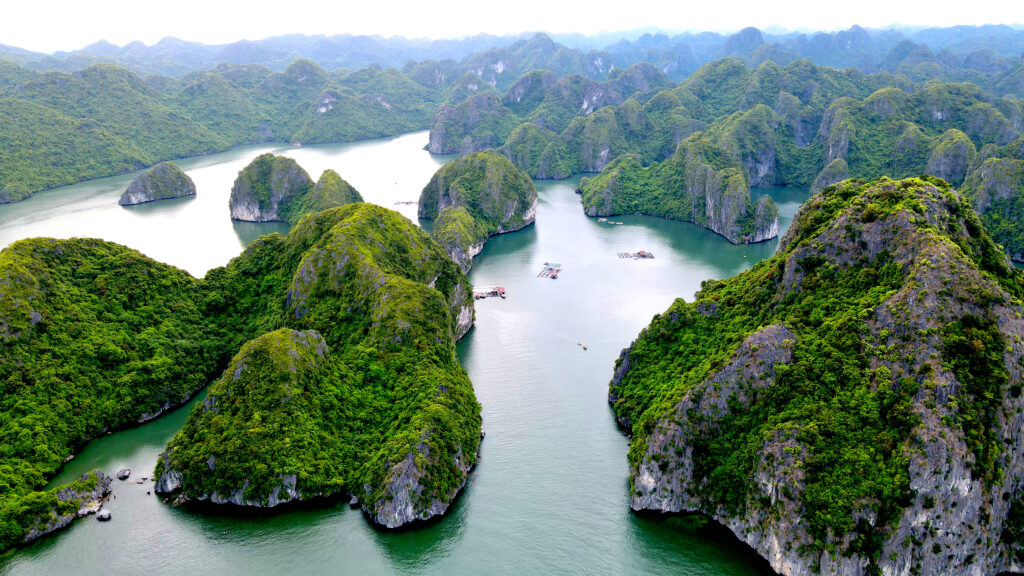
When people imagine Vietnam, Ha Long Bay often comes to mind first. This UNESCO World Heritage Site is a wonder of emerald waters dotted with limestone karsts rising like mystical towers. In the past, mass tourism threatened its delicate ecosystems, but today, eco-cruises and responsible tour operators are leading a positive change. Travelers can now explore the bay on smaller, sustainable cruises that minimize waste, avoid plastic, and prioritize the protection of marine life. Kayaking through hidden lagoons or visiting floating fishing villages gives you a closer connection to this natural marvel while supporting local communities. Ha Long Bay is no longer just a postcard view—it is an example of how nature and tourism can coexist in balance.
Cat Ba Island
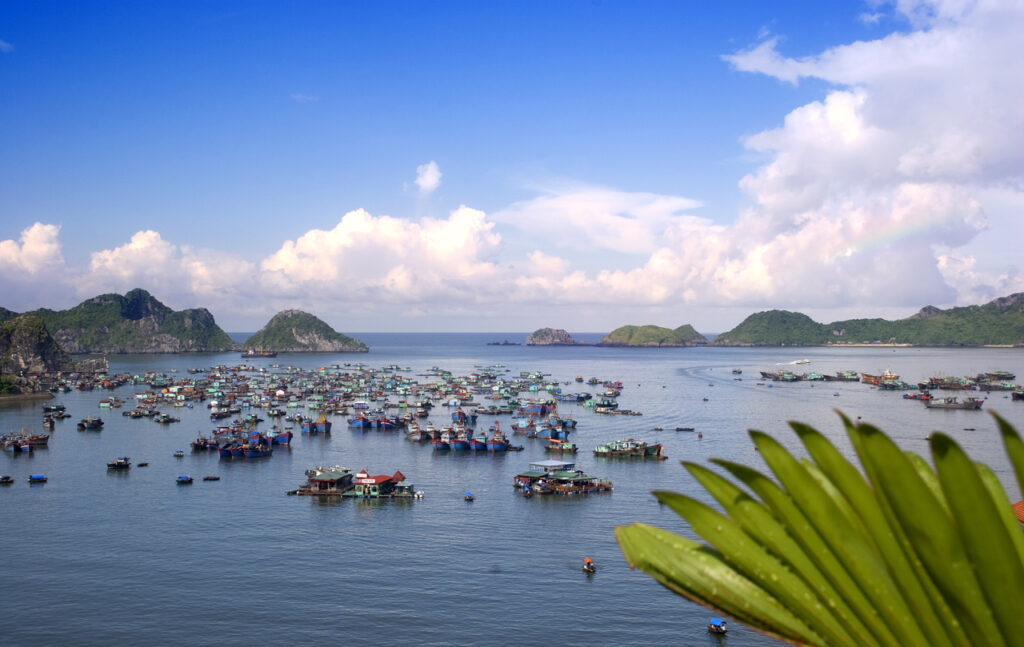
Just a short journey from Ha Long Bay, Cat Ba Island offers a quieter, more eco-conscious alternative. The island is home to Cat Ba National Park, a paradise for hikers, cyclists, and wildlife enthusiasts. Trekking through lush forests here is not only a physical adventure but also a lesson in biodiversity—rare langurs, colorful birds, and unique plant species all call this place home. Eco-lodges and community homestays have flourished on the island, allowing visitors to enjoy comfort without harming the environment. Kayaking in Lan Ha Bay, where turquoise waters are just as breathtaking as Ha Long but with fewer crowds, is a highlight for travelers seeking serenity and sustainability in equal measure.
Sapa
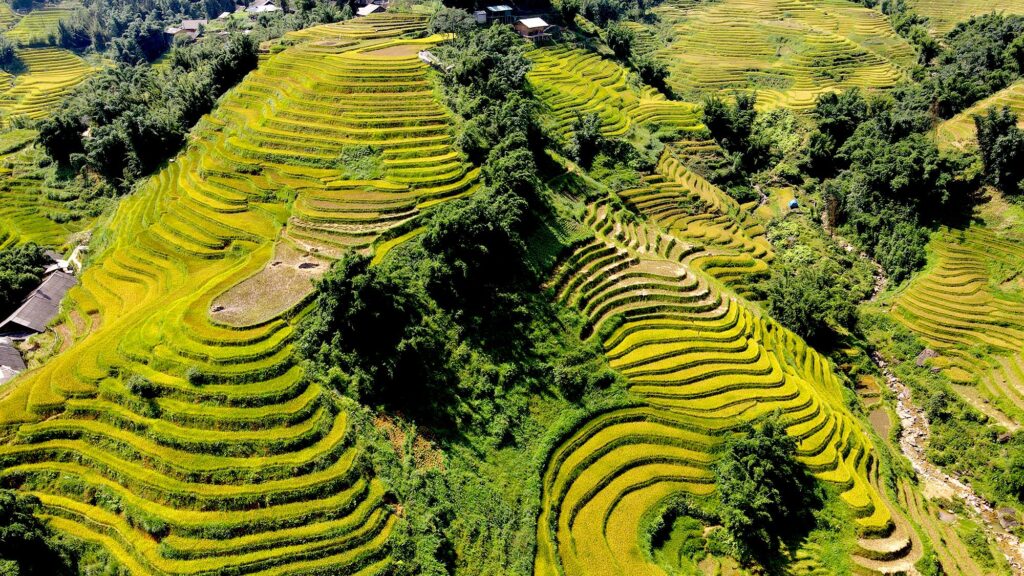
High in the northern mountains, Sapa is famous for its terraced rice fields that change colors with the seasons—shimmering green in spring, golden yellow during harvest. For eco-travelers, Sapa offers more than stunning landscapes. It is a chance to engage with ethnic minority communities such as the Hmong and Dao, who have lived in harmony with the land for centuries. Treks through the valleys are often guided by local villagers, and staying in their homestays gives travelers authentic cultural experiences while providing income directly to the community. Beyond the beauty of the scenery, Sapa is about learning resilience, tradition, and sustainable ways of life that have been preserved for generations.
Pu Luong Nature Reserve
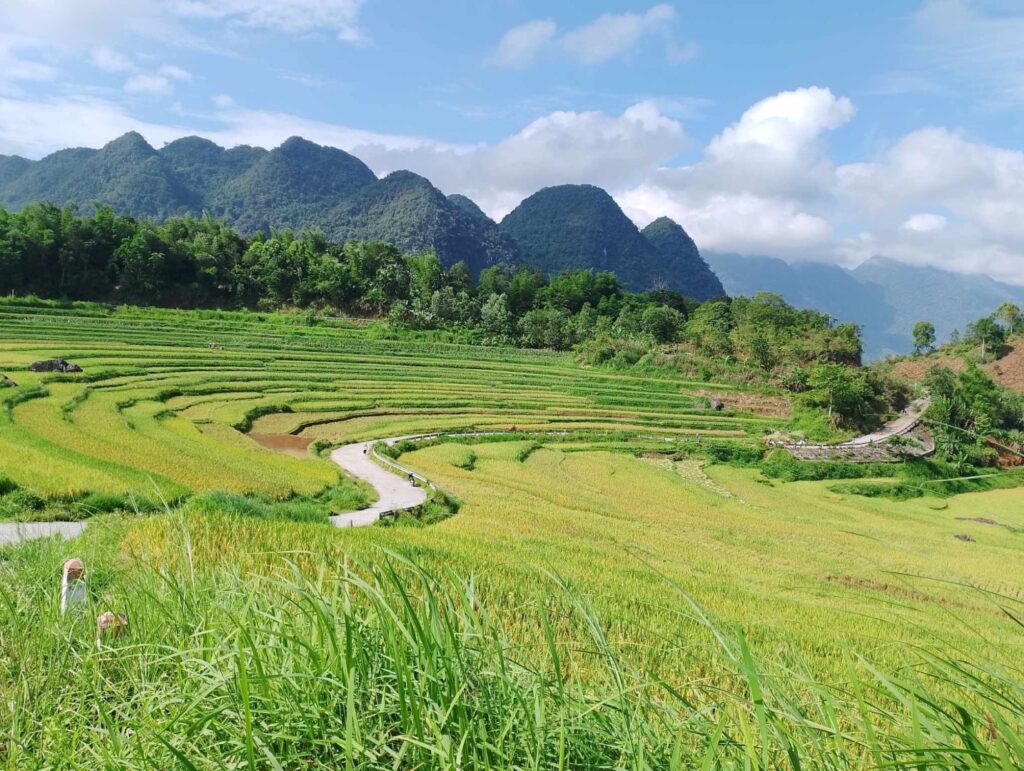
For those who love Sapa’s natural charm but prefer fewer crowds, Pu Luong Nature Reserve is a hidden treasure. Terraced rice fields stretch across rolling hills, while bamboo forests sway in the mountain breeze. Here, travelers can trek or cycle through villages where life remains simple and deeply connected to nature. Eco-lodges built with local materials blend seamlessly into the environment, offering comfort without excess. Pu Luong is the kind of destination where you can slow down, wake up to birdsong, and feel part of the landscape rather than just a visitor.
Ninh Binh (Trang An & Tam Coc)
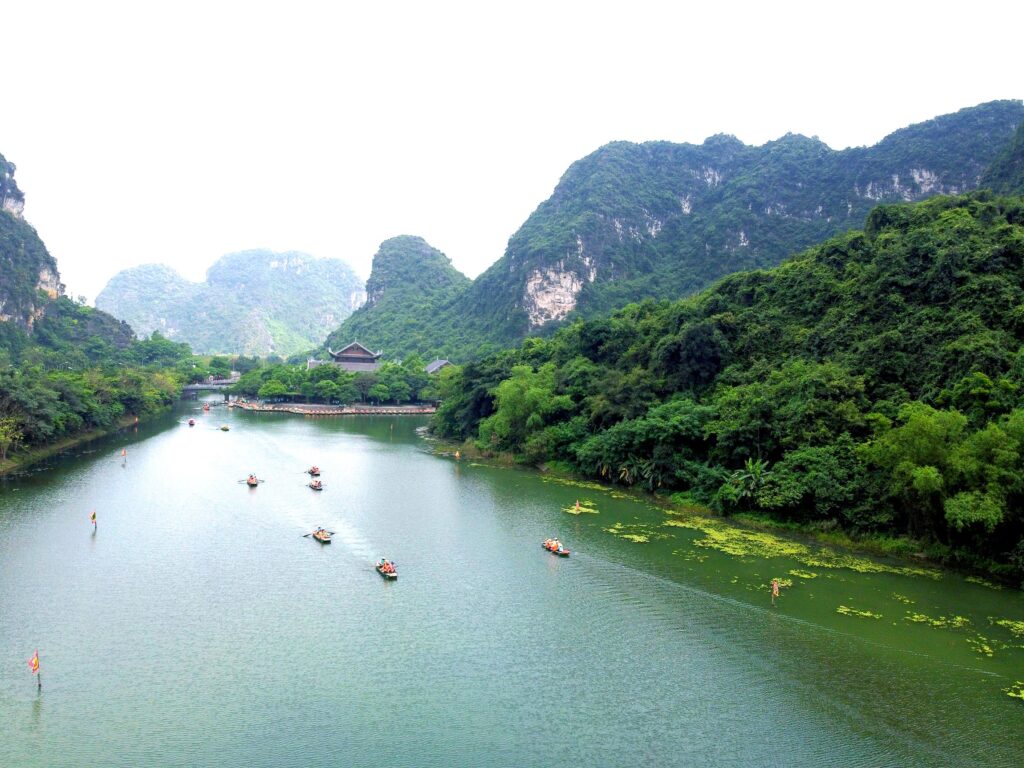
Often called the “Ha Long Bay on land,” Ninh Binh captivates with its limestone cliffs, winding rivers, and endless rice paddies. The best way to explore is by taking a traditional rowboat ride, often guided by local women who skillfully paddle with their feet. Drifting along the rivers, you pass through caves, temples, and breathtaking valleys where nature feels untouched. In recent years, eco-tourism initiatives have flourished here, with family-run homestays, organic farming projects, and cycling tours that give back to the community. Ninh Binh is proof that sustainable tourism can create unforgettable experiences while protecting cultural and natural heritage.
Phong Nha – Ke Bang National Park
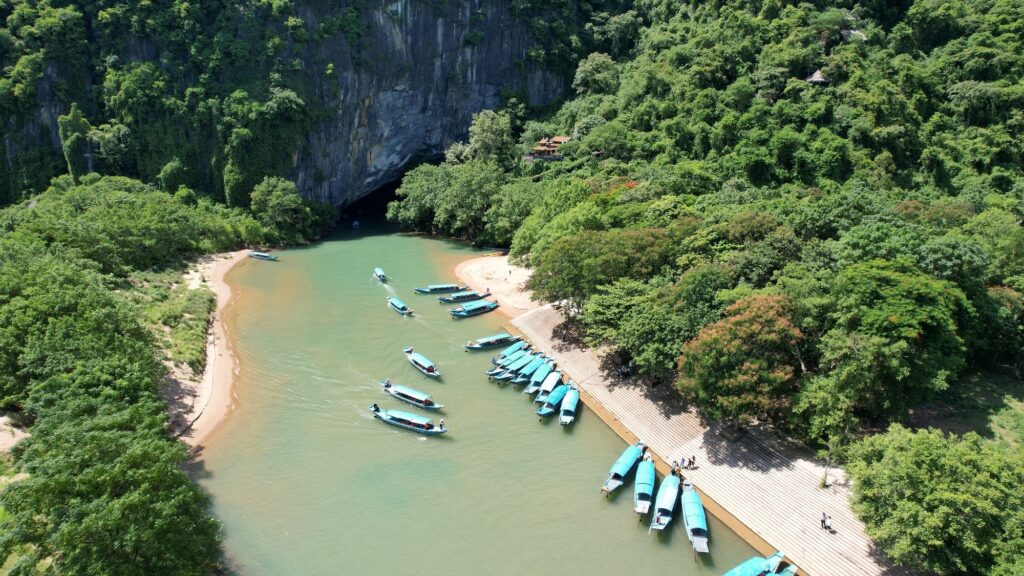
For adventure seekers, Phong Nha is a dream destination. This UNESCO World Heritage Site is home to the world’s largest cave, Son Doong, as well as countless underground rivers, jungles, and smaller but equally impressive caves. Exploring Phong Nha is more than just a thrill—it is a chance to witness Vietnam’s efforts in conservation. Many tours here are run by local communities, ensuring that income stays in the region and that nature is preserved. Whether you’re trekking through the jungle, kayaking down rivers, or simply marveling at the sheer scale of the caves, Phong Nha offers a reminder of how extraordinary our planet is, and why it must be protected.
Hoi An
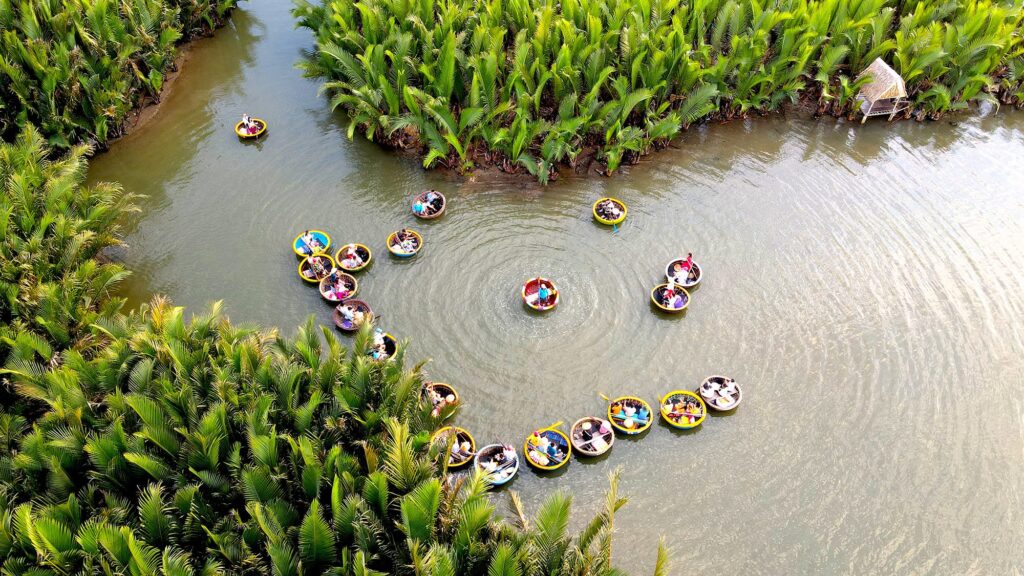
Famous for its lantern-lit streets, Hoi An is more than just a beautiful ancient town—it is a model for sustainable tourism in Vietnam. Travelers can explore the old quarter by bicycle, wander along quiet pedestrian streets, and discover eco-conscious cafes that support local farmers. Just outside the town lies Tra Que Village, where organic farms welcome visitors to learn traditional cultivation methods. Cycling through rice paddies, visiting local craft villages, or relaxing at eco-friendly beach resorts all show how Hoi An blends heritage with sustainability. And when night falls, the soft glow of lanterns over the Thu Bon River makes you feel as if time has slowed down—an unforgettable moment where culture and nature exist in harmony.
Cham Islands
A short boat ride from Hoi An, the Cham Islands are a UNESCO Biosphere Reserve and a haven for marine life. Travelers come here to snorkel and dive among coral reefs, but equally important is the chance to see how local communities are leading marine conservation efforts. Plastic bags are banned on the islands, and eco-tours encourage respect for underwater ecosystems. Spending a night in a homestay lets you experience island life up close, while your visit directly supports villagers committed to protecting their fragile environment.
Da Lat
Nicknamed the “city of eternal spring,” Da Lat offers a completely different side of Vietnam. Surrounded by pine forests, waterfalls, and flower farms, the town has become a hub for eco-tourism and organic farming. Visitors can cycle around the countryside, visit coffee plantations that practice sustainable farming, or explore lush valleys where local farmers grow strawberries and vegetables. Unlike Vietnam’s tropical lowlands, Da Lat’s cool climate makes it ideal for outdoor adventures year-round. Staying in eco-lodges here connects you with nature while still enjoying the comforts of modern travel.
Mekong Delta
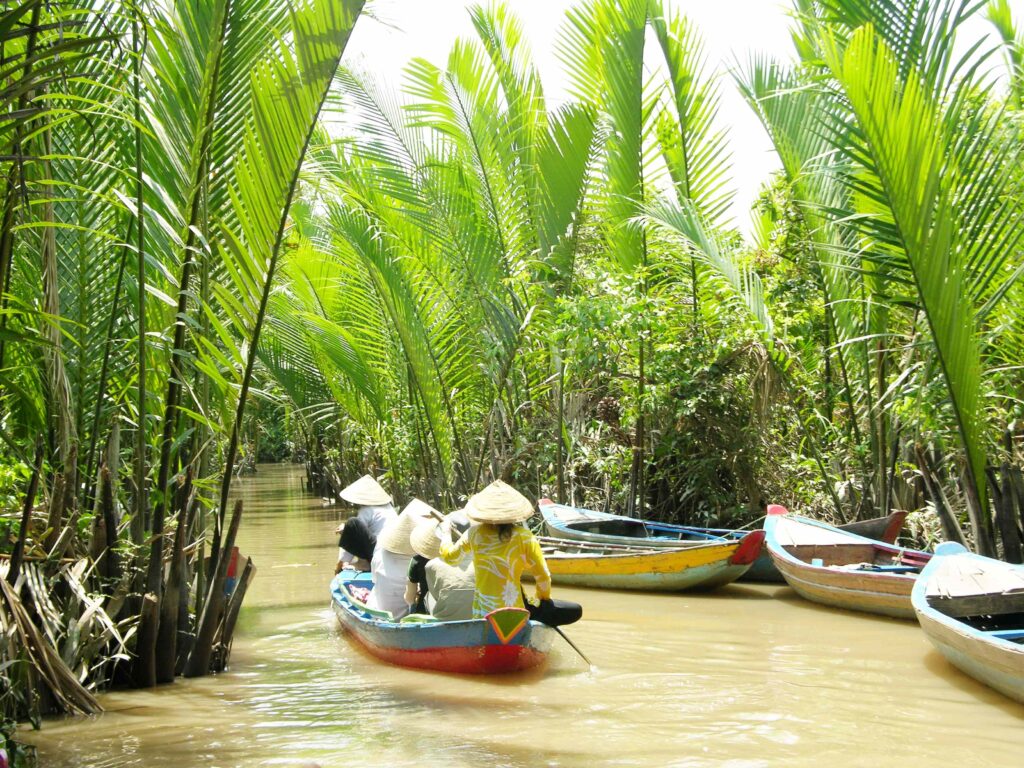
The Mekong Delta is a vast, fertile region where rivers, canals, and lush orchards define daily life. Eco-tourism in the delta focuses on community-based experiences—cycling through coconut groves, taking boat trips along quiet waterways, and staying in homestays where meals are made from fresh, local ingredients. Travelers can learn about traditional crafts like making rice paper or coconut candy, while also supporting families who depend on sustainable tourism for their livelihoods. The delta is more than just a landscape; it is a cultural journey that teaches visitors the value of living in harmony with water and land.
Con Dao Islands
Far from the mainland, Con Dao offers pristine beaches, coral reefs, and a sense of tranquility rarely found in today’s travel world. Once known for its history, the islands are now a sanctuary for wildlife, including sea turtles that come to nest on the beaches. Eco-resorts on the islands work closely with conservation projects, giving visitors a chance to witness turtle hatchlings being released into the sea—a life-changing experience for many travelers. Whether you’re snorkeling in crystal-clear waters or simply relaxing on a quiet beach, Con Dao is a place where nature still feels untouched, reminding us why preservation is so important.
Traveling green in Vietnam doesn’t mean sacrificing comfort or adventure—it means choosing experiences that leave a positive impact. Whether you’re kayaking in Ha Long Bay, trekking through rice terraces in Sapa, cycling past temples in Ninh Binh, or watching lanterns glow in Hoi An, you’ll find countless opportunities to connect with Vietnam in a meaningful way.
By supporting eco-friendly tourism, you’re not only creating unforgettable memories but also helping to preserve the landscapes and cultures that make Vietnam so unique. So pack your sense of adventure, travel responsibly, and let Vietnam’s green destinations inspire you to see the world differently.
