


1. Introduction
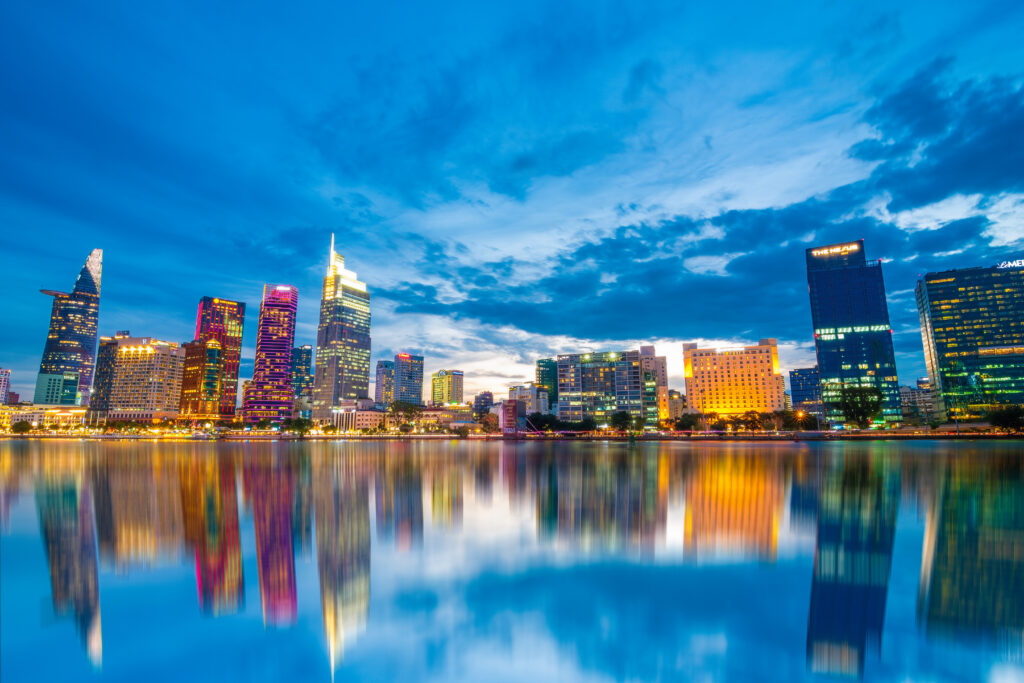
Located in southern Vietnam near the Mekong Delta, Ho Chi Minh City—still widely known by its historic name, Saigon—is the nation’s largest and most dynamic urban center. As Vietnam’s economic and cultural engine, the city thrives on contrast: gleaming skyscrapers stand beside colonial-era architecture, while luxury malls neighbor chaotic street markets. With a population of over nine million, it’s a place where motorbikes weave like rivers through buzzing streets and the aroma of street food fills the air. From world-class cuisine and rooftop bars to solemn war museums and Buddhist pagodas, the city offers a complex and exhilarating blend of history, innovation, and everyday life.
Ho Chi Minh City Vietnam is not just a destination—it’s an experience of movement, flavor, and rhythm. Whether you’re a history buff, foodie, night owl, or urban explorer, this metropolis will keep you engaged with its infectious energy and ever-evolving identity.
2. Highlights / Main Features
A city of history and modernity
Ho Chi Minh City is a city of juxtaposition, where the echoes of colonial and wartime history sit beside rapid modernization and contemporary life. You can explore French-style buildings in the morning and then sip cocktails on a rooftop with skyline views by night. The juxtaposition of old Saigon charm with international flair makes every street corner feel like a story unfolding. It’s a place where the past is never forgotten—but the future races ahead.
Street food and culinary capital
From steaming bowls of pho and bun thit nuong to banh mi sandwiches and broken rice with grilled pork, Ho Chi Minh City offers some of Vietnam’s best and most diverse street food. Small alleys host decades-old family stalls while chic cafes serve fusion Vietnamese cuisine with global flair. Whether dining curbside or in fine-dining restaurants, food is central to the city’s soul. The blend of southern spices, fresh herbs, and bold flavors make every meal unforgettable.
Bustling markets and world-class shopping
Whether you’re hunting for souvenirs, designer brands, or fresh fruit, the city caters to all shopping tastes. Traditional markets like Ben Thanh and Binh Tay are colorful labyrinths where bargaining is part of the fun. Meanwhile, Vincom Center and Takashimaya bring high-end fashion to modern malls. From the handmade to the high-tech, shopping in Ho Chi Minh City Vietnam is both exhilarating and rewarding.
Electric nightlife and rooftop bars
After dark, Ho Chi Minh City transforms into a lively playground. Rooftop bars such as SkyXX or Chill Skybar offer panoramic views and premium cocktails, while live music venues and nightclubs keep the energy going until late. For a more local feel, backpacker street Bui Vien pulses with loud music, neon lights, and street-side beers. Whether you’re dressed to impress or in flip-flops, there’s a nightlife scene for everyone.
3. What to See
Buu Long Pagoda
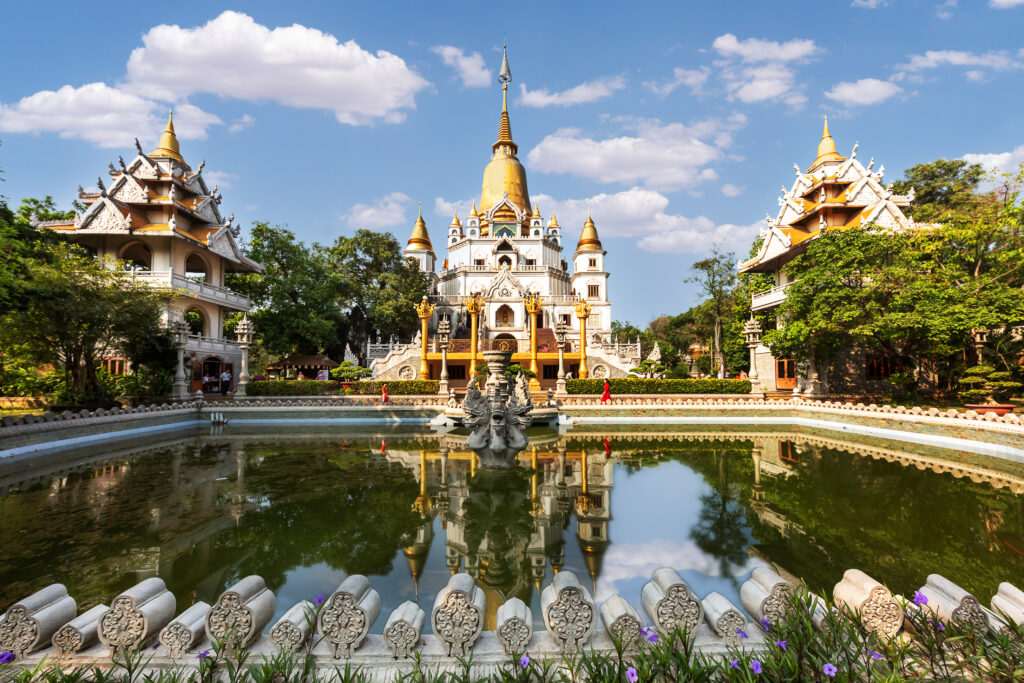
Tucked away in District 9, Buu Long Pagoda is a stunning Buddhist temple that often surprises visitors with its resemblance to Thai architecture. Surrounded by a tranquil lotus pond and lush greenery, the golden spires and ornate carvings make it one of the most picturesque spiritual sites in the city. It’s a peaceful escape from downtown chaos and offers panoramic views of the surrounding area. Few foreign tourists make it here, giving it an almost hidden-gem status in Ho Chi Minh City Vietnam.
Central Post Office
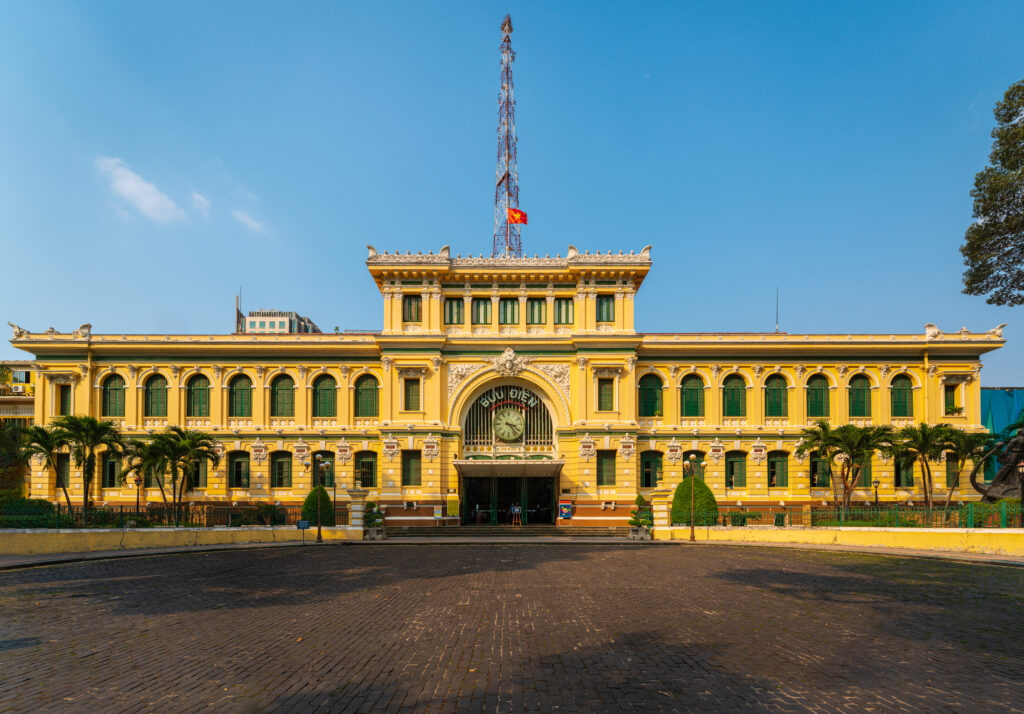
Just across from the cathedral, this grand post office designed by Gustave Eiffel is still in operation today. The yellow facade and arched ceilings inside evoke a 19th-century European train station, while old maps and wooden booths add vintage charm. It’s a beautiful example of French colonial architecture, and you can still send postcards or browse for souvenirs. A visit here offers both nostalgia and practicality.
War Remnants Museum
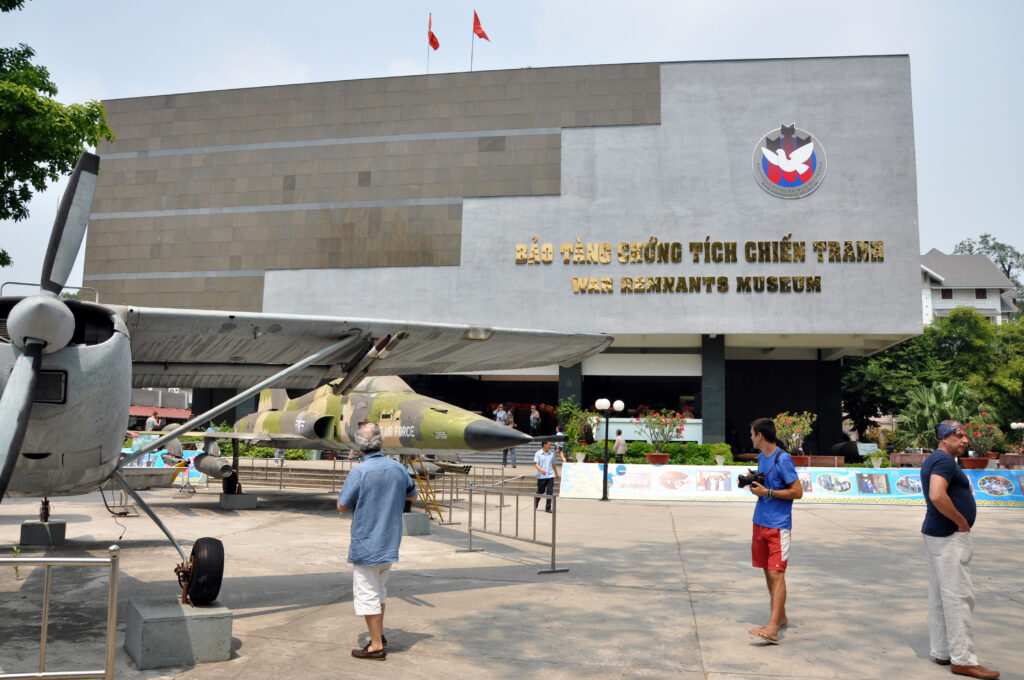
This sobering museum presents a powerful narrative of the Vietnam War, with photographs, military artifacts, and personal stories. It’s not an easy visit—but it’s an essential one for understanding the conflict’s impact on Vietnamese people. Outside, you’ll find tanks, helicopters, and fighter jets once used in combat. Inside, the raw imagery and testimonies invite reflection and empathy.
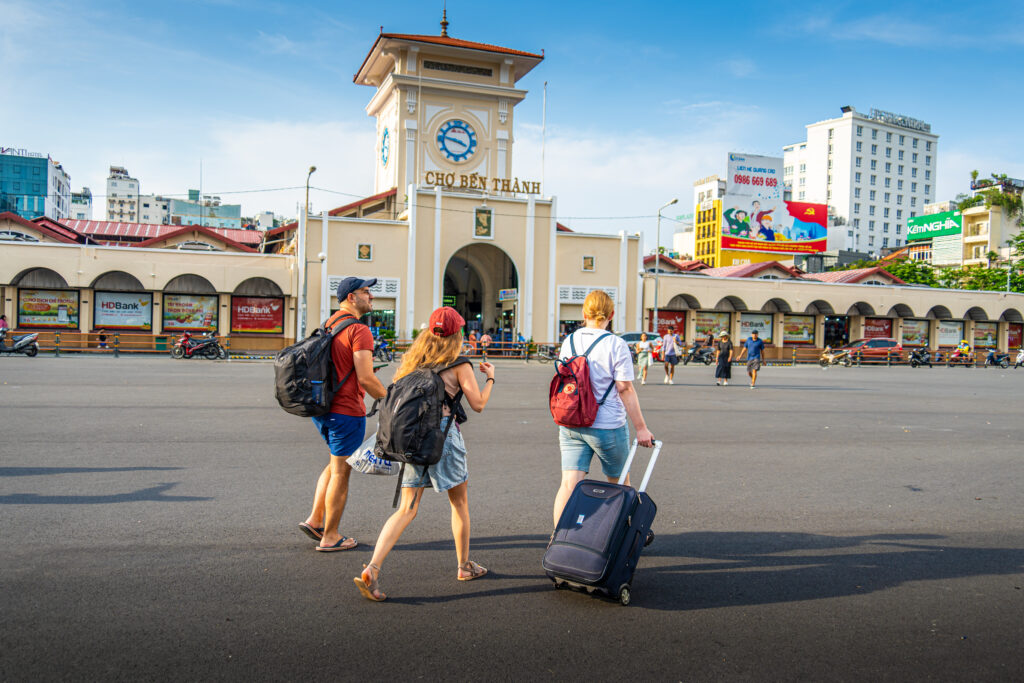
Ben Thanh Market
A whirlwind of color, sound, and scent, Ben Thanh is the city’s most iconic traditional market. Vendors here sell everything from souvenirs and textiles to fresh produce and local snacks. While it’s popular with tourists, many locals still shop here, making it a good blend of commerce and culture. Don’t forget to haggle—it’s part of the experience.
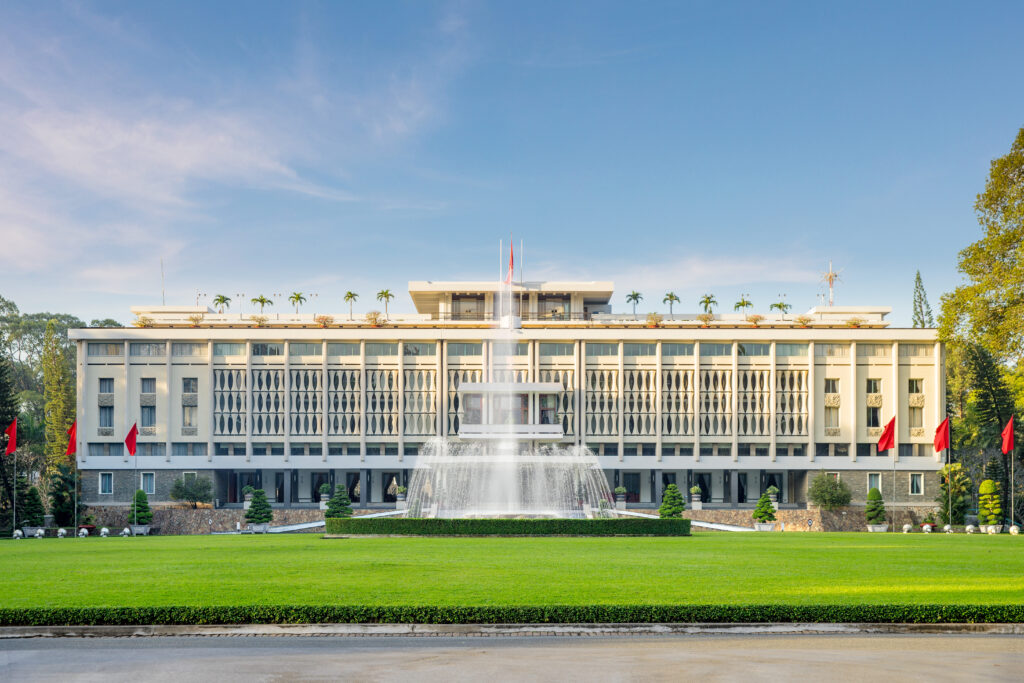
Independence Palace (Dinh Doc Lap)
A historic landmark with deep national significance, Independence Palace was the site where the Vietnam War officially ended on April 30, 1975. The building, once the presidential residence of South Vietnam, has been preserved almost exactly as it was during wartime. Visitors can explore secret bunkers, vintage war rooms, and the rooftop helipad, all frozen in time. Walking through its halls offers a vivid glimpse into the political turbulence that shaped modern Vietnam.
4. How to Explore
- By motorbike
With millions of scooters on the road, motorbikes are the heartbeat of the city. Renting a motorbike gives you the freedom to explore hidden alleys, street food corners, and lesser-known temples. However, traffic can be overwhelming for first-timers, so consider riding only if you’re confident. Helmets are required, and caution is essential during rush hours. - By taxi or ride-hailing apps
Taxis are readily available, but Grab (Vietnam’s version of Uber) is often more convenient and transparent with fixed prices. Both cars and motorbike taxis are available through the app. It’s a safe and efficient way to move around, especially in hot weather or for longer distances. Always double-check the address before confirming your ride. - By cyclo or guided walking tour
For a slower pace, hop on a traditional cyclo or join a guided walking tour around District 1. These options are ideal for learning about history, architecture, and food with the help of a local expert. Cyclo rides are nostalgic and relaxing, perfect for short sightseeing trips. Walking tours allow for intimate access to alleys and stories you might otherwise miss. - By bus or metro (coming soon)
Ho Chi Minh City’s bus system is extensive and affordable, but it can be confusing for first-time visitors. The city is also building a metro system, with the first line expected to open soon. Once operational, it will make navigating the city even easier. Until then, private transport remains the most convenient option for tourists.
5. Suggested Local Cuisine
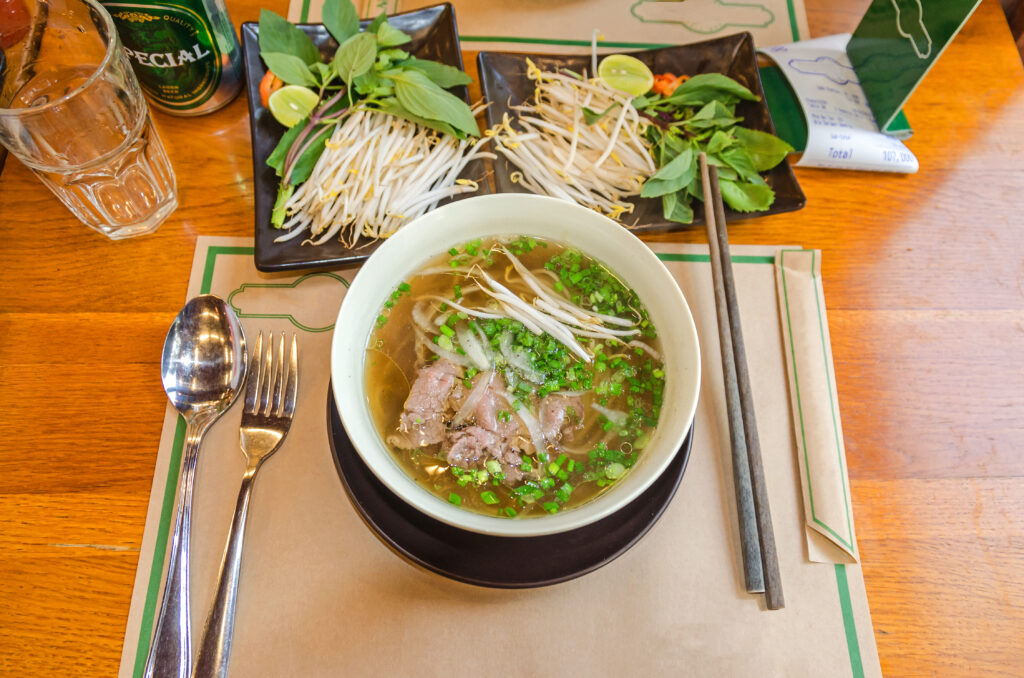
Pho Saigon
While pho originated in the north, Ho Chi Minh City’s version is slightly sweeter and often served with a wider variety of herbs and sauces. It’s a must-try, especially at local morning stalls where steaming bowls appear at sunrise. Beef or chicken options are common, with sides of lime, chili, and bean sprouts. The flavor is both delicate and rich.
Com tam (broken rice)
A staple in southern Vietnam, com tam features fragrant broken rice served with grilled pork chops, fried egg, and pickled vegetables. It’s often topped with scallion oil and a bowl of fish sauce for dipping. The dish is hearty, satisfying, and available everywhere from roadside vendors to upscale eateries. Locals often eat it for breakfast or lunch.
Banh mi Saigon
This world-famous Vietnamese sandwich takes on bold character in Ho Chi Minh City, with fillings like grilled pork, pate, cold cuts, and pickled carrot inside a crisp baguette. It’s the ultimate street food—portable, affordable, and packed with flavor. Some of the best banh mi stalls are decades old, still using family recipes. Pair it with iced coffee for a perfect snack.
Hu tieu
A southern noodle soup that combines clear broth with pork, shrimp, or squid and rice noodles. Unlike pho, hu tieu is lighter, sweeter, and often comes with a dry version served alongside soup. Each vendor has a unique recipe, and toppings can vary. It’s especially popular in night markets and open-air eateries.
6. Where to Eat
Cuc Gach Quan
Set in a renovated colonial villa, this charming restaurant offers refined takes on traditional Vietnamese dishes in a cozy, artistic setting. With antique décor and a garden atmosphere, it’s a favorite among locals and expats alike. Signature dishes include caramelized clay pot fish and stir-fried morning glory. The ambiance is as memorable as the menu.
Pho Hoa Pasteur
One of the city’s most famous pho joints, Pho Hoa has served generations of Saigonese and continues to impress with consistent quality. Expect tender meat, aromatic broth, and fresh herbs. The setting is simple, but the flavor speaks volumes. Come early to avoid the lunch crowd.
Ben Thanh Street Food Market
This trendy, semi-outdoor food court near Ben Thanh Market offers a curated experience of Vietnamese and international cuisine. It’s a great place for groups or first-timers unsure where to begin. Clean, stylish, and diverse in offerings, it’s perfect for casual meals. Try grilled seafood, Vietnamese tacos, or coconut ice cream.
7. Things to Do
Visit historical landmarks
Delve into Vietnam’s complex past by visiting places like the War Remnants Museum, Reunification Palace, and the historic Cu Chi Tunnels (a short day trip from the city). These sites offer firsthand insights into the country’s struggle for independence, resistance, and reunification. The architecture, exhibits, and stories told here are emotionally powerful and historically rich. Visiting them is essential to fully understand the soul of Ho Chi Minh City Vietnam.
Take a street food tour
A guided street food tour lets you taste authentic local dishes while learning about culinary culture from passionate guides. Whether riding on the back of a motorbike or walking through hidden alleys, you’ll discover places most tourists never find. Expect to sample everything from sizzling banh xeo to tropical fruit smoothies. It’s a feast for all senses and one of the most memorable things to do in Ho Chi Minh City.
Cruise along the Saigon River
Escape the chaos of the streets by taking a relaxing boat cruise on the Saigon River, especially at sunset. These cruises offer a different perspective of the city’s skyline and often include dinner or live music on board. Some options also visit local riverfront communities or floating markets. It’s a peaceful contrast to the city’s fast-paced energy.
Explore art and culture
Art lovers will enjoy the Ho Chi Minh City Museum of Fine Arts and local galleries showcasing traditional and modern Vietnamese works. Live performances such as the AO Show at the Saigon Opera House blend acrobatics, music, and storytelling in visually stunning ways. These cultural offerings reflect the creative pulse of the city. They reveal a modern, expressive side of Saigon not seen in history books.
Experience rooftop nightlife
After the sun sets, enjoy cocktails with panoramic views at rooftop bars like Chill Skybar or Saigon Saigon Rooftop Bar. These venues are popular for their stylish ambiance, signature drinks, and DJ sets. The lights of the city sparkle below, creating an unforgettable setting. It’s the best way to end a day in Ho Chi Minh City—high above the noise and neon.
8. How to Get There
8.1 Travel to Ho Chi Minh City
By air – International and domestic gateway
Tan Son Nhat International Airport (SGN) is Vietnam’s busiest airport, serving flights from across Asia, Europe, and Australia. From the airport, it takes about 20–30 minutes by car to reach the city center, depending on traffic. Taxis, airport buses, and Grab ride-hailing services are all available. For domestic travelers, flights connect Ho Chi Minh City with every major city in Vietnam.
By bus from southern destinations
If you’re coming from other parts of southern Vietnam, long-distance buses are a reliable and affordable option. Sleeper buses from places like Da Lat, Can Tho, or Nha Trang arrive at Mien Dong or Mien Tay Bus Stations. The journey can take 4–10 hours depending on distance and traffic. Modern bus companies often offer reclining seats, air-conditioning, and Wi-Fi.
By train from the north or central Vietnam
Ho Chi Minh City is the southern terminus of the Reunification Express, which runs up the coast to Hanoi. The full journey takes around 32–36 hours, but shorter routes from Nha Trang or Da Nang are more manageable. Trains are clean, safe, and scenic, offering soft or hard sleepers depending on your comfort level. The city’s main station, Saigon Railway Station, is located in District 3.
8.2 Travel around Ho Chi Minh City
By Grab (car or motorbike)
Grab is the most popular ride-hailing app in Vietnam, offering reliable and convenient service across the city. You can choose between motorbike and car rides, with real-time tracking and transparent pricing. It’s perfect for navigating narrow streets and beating traffic. Payment can be made in cash or via card through the app.
By motorbike rental
Adventurous travelers can rent a motorbike to explore independently, but you’ll need confidence and awareness to handle the city’s intense traffic. Rentals are available from guesthouses or online platforms, often requiring a deposit and passport copy. Always wear a helmet and consider avoiding peak hours. This is the most flexible way to see the city on your own schedule.
By public bus
The city has an extensive network of buses that connect major districts, tourist attractions, and even suburban areas. Tickets are inexpensive, and routes are marked with numbers and destinations. However, they can be confusing for new visitors due to language barriers and limited signage. Apps like BusMap help make bus travel more accessible.
By walking in central districts
District 1 is relatively walkable, with shaded boulevards, parks, and wide sidewalks. You can easily explore attractions like Notre Dame Cathedral, Book Street, and Ben Thanh Market on foot. Be cautious when crossing roads, as traffic rarely stops completely. Still, walking remains one of the most intimate ways to experience Ho Chi Minh City Vietnam.
9. Best Time to Visit
December to April – Dry season and ideal weather
This is the most popular time to visit Ho Chi Minh City, with sunny skies, low humidity, and average temperatures between 25°C to 33°C. Outdoor sightseeing is more comfortable, and festivals such as Tet (Vietnamese Lunar New Year) bring vibrant decorations and cultural events. It’s the peak season, so expect higher prices and larger crowds. Booking accommodation early is advised.
May to September – Rainy season with lush scenery
During this period, afternoon rain showers are common, but they usually last for just 1–2 hours. The city remains lively and green, with fewer tourists and slightly lower prices. Rain can provide a refreshing break from the tropical heat. Bring an umbrella or poncho, and plan indoor activities for stormy afternoons.
October to November – Shoulder season
This transitional period offers a balance of good weather and manageable tourist traffic. Rainfall decreases, and temperatures are still warm without the intensity of midsummer heat. It’s a great time for photography, cultural exploration, and river cruises. Deals on accommodation and flights may also be available.
10. Travel Tips
Stay alert with traffic
Traffic in Ho Chi Minh City is famously intense, especially at major intersections. Motorbikes move in unpredictable patterns, and pedestrian crossings are often ignored. Cross the street slowly and confidently, maintaining a steady pace so drivers can predict your movement. Always look both ways—even on one-way streets.
Use small denominations and local currency
Cash is still the most common form of payment, especially at markets, food stalls, and small shops. Carry small denominations for convenience and avoid paying with large bills unless necessary. ATMs are widely available, and exchange counters offer fair rates in tourist areas. Most high-end restaurants and hotels accept credit cards.
Dress comfortably but modestly for temples
The city’s climate is hot and humid, so lightweight, breathable clothing is essential. However, if you plan to visit temples or pagodas, bring a shawl or wear modest attire that covers your shoulders and knees. A hat and sunscreen are also recommended when walking outdoors. Hydration is key in the tropical heat.
Try street food but choose clean vendors
Sampling street food is one of the best parts of Ho Chi Minh City travel, but hygiene is important. Look for busy stalls with high turnover and clean equipment. Avoid raw vegetables or ice from unknown sources if you have a sensitive stomach. Don’t miss out—just be smart.
Explore beyond District 1
While District 1 is the tourist center, other districts offer unique experiences. District 3 features colonial homes and tree-lined streets, District 5 (Cholon) is home to Chinatown and vibrant temples, and District 2 blends international cafes with a relaxed expat vibe. Go further to experience the real diversity of Ho Chi Minh City Vietnam.
