


1. Introduction
Perched on Ha Khe Hill, overlooking the gentle Perfume River (Song Huong) just 5 kilometers west of Hue’s city center, Thien Mu Pagoda is one of Vietnam’s most iconic religious landmarks. With its striking seven-tiered Phuoc Duyen Tower, historic significance, and serene riverfront setting, it has become a spiritual symbol of Hue and a must-see for anyone exploring central Vietnam.
Thien Mu pagoda, which is founded in 1601 by Lord Nguyen Hoang, the pagoda is considered the oldest and most revered Buddhist site in the region. Its name, meaning “Heavenly Lady Pagoda,” comes from a local legend about a celestial woman who appeared on the hill and prophesied the construction of a temple that would bring prosperity. Since then, Thien Mu has stood as a place of contemplation, resistance, and renewal, bearing witness to centuries of imperial history, war, and peaceful devotion.
2. Highlights in Thien Mu pagoda
The Iconic Phuoc Duyen Tower
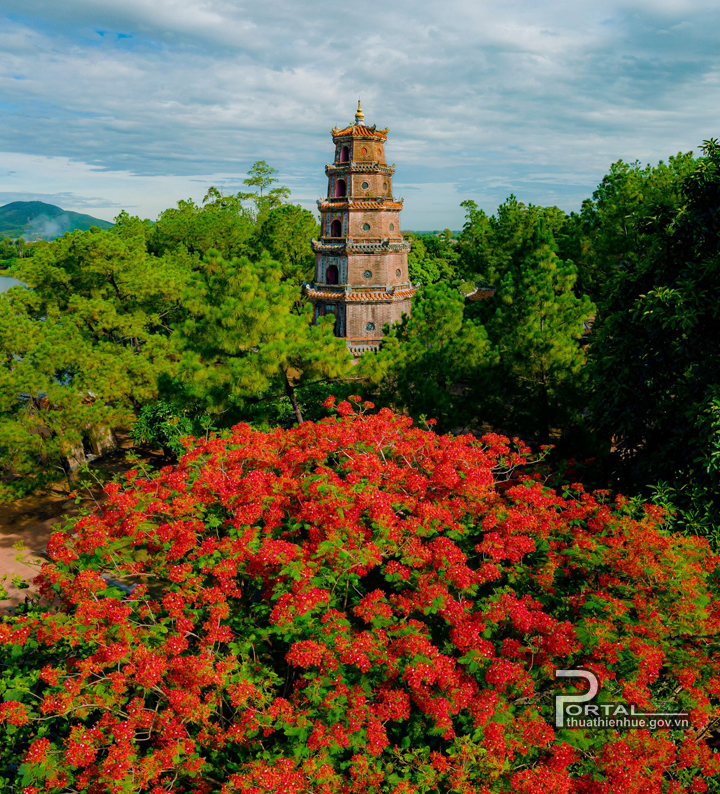
Standing 21 meters tall, this seven-tiered octagonal tower rises above the treetops and riverbank, serving as a landmark for travelers from near and far. Built in 1844, each level is dedicated to a different aspect of Buddhist philosophy, and the tower as a whole symbolizes enlightenment. With its symmetrical design and red brick façade, the tower is a striking contrast to the blue sky and green landscape that surrounds it.
Tranquil Gardens and Courtyards
Behind the tower, the pagoda’s grounds extend into peaceful courtyards lined with bonsai trees, stone lanterns, and ancient halls. Pathways lead past statues of bodhisattvas and guardians, shaded by fragrant trees like frangipani and pine. The atmosphere is contemplative and quiet, encouraging visitors to walk slowly and absorb the energy of this sacred site.
Historical Depth and Political Symbolism
Thien Mu Pagoda has not only served as a spiritual sanctuary but also as a site of political significance. In the 1960s, it was a key location for Buddhist protests against the government. On display today is a blue Austin automobile, famously used by monk Thich Quang Duc in Saigon before his self-immolation, a powerful symbol of sacrifice and resistance. This poignant exhibit reminds visitors that the pagoda is both a place of peace and a witness to struggle.
3. What to See
Phuoc Duyen Tower
Located at the front of the complex, this seven-story tower is the first structure visitors encounter. Though you cannot climb it, its architectural beauty—arched windows, gently curved roofs, and symmetrical lines—makes it a highlight for both spiritual seekers and photographers. It stands as a visual metaphor for the journey toward enlightenment.
Main Sanctuary (Dai Hung Shrine)
This large, wooden temple is the spiritual heart of the complex, housing a grand statue of Shakyamuni Buddha flanked by bodhisattvas. The hall is filled with the scent of incense and the quiet sounds of chanting, especially during prayer times. Visitors can light incense sticks and observe rituals still practiced by the resident monks.
The Austin Car and Memorial Exhibit
Set in a glass display case near the residential quarters, this blue car serves as a powerful visual story. It was driven by the monk who set himself on fire in protest of religious oppression in 1963. Accompanying photos and plaques explain the context and elevate the site’s role in Vietnam’s modern history.
Monk Quarters and Meditation Halls
The pagoda remains an active monastery, home to several monks who study, meditate, and conduct ceremonies here. Visitors may catch glimpses of daily routines—monks tending the garden, chanting in the temple, or practicing walking meditation—adding authenticity and depth to the visit.
Bell Tower and Garden Paths
A short walk from the main hall leads to a historic bronze bell housed in a small pavilion. Cast in the 18th century, it was once used to signal prayer times and can reportedly be heard across the river on quiet days. Surrounding the bell are lotus ponds, benches, and shaded spots perfect for contemplation.
4. How to Explore Thien Mu
Walk the Grounds at a Slow, Reflective Pace
Thien Mu Pagoda is not a place to rush. Stroll slowly from the river entrance to the rear meditation halls, pausing to admire carvings, listen to birdsong, and reflect under shaded trees. The layout encourages introspection and a gradual immersion into the spiritual atmosphere.
Join a Guided Tour or Use an Audio Guide
Though the site is free to enter, a guide adds valuable context—explaining the meanings of statues, the history of the Nguyen lords, and the significance of the Austin car. Many local guides offer short but insightful tours, or you can download an audio app for self-guided exploration.
Arrive by Boat for a Scenic Journey
A boat trip along the Perfume River is one of the most poetic ways to reach Thien Mu Pagoda. The ride typically lasts 30 to 45 minutes and allows travelers to enjoy river views, quiet breezes, and scenic countryside before arriving at the pagoda’s dock—a journey once reserved for royalty and pilgrims.
5. Suggested Local Cuisine
Hue-style Savory Pancake
This crispy rice pancake is filled with shrimp, pork, and bean sprouts, then folded and served with a rich peanut dipping sauce. It’s crunchy, flavorful, and best eaten hot, often found at small eateries near the pagoda or in central Hue.
Spicy Beef Noodle Soup
This is Hue’s signature noodle dish, known for its spicy lemongrass-infused broth, slices of beef, and thick rice noodles. It’s hearty and satisfying, ideal for breakfast or lunch after a temple visit.
Lotus Seed Sweet Soup
Made with boiled lotus seeds and light syrup, this dessert is often served chilled and sometimes includes longan or jelly. Symbolizing purity and peace, it’s a refreshing end to a hot day of sightseeing.
6. Where to Eat
Tinh Tam Restaurant
Located within walking distance of the pagoda, this quiet vegetarian restaurant offers dishes like tofu stir-fry, steamed mushrooms, and lotus salad, served in a peaceful garden setting. It’s a great choice for travelers seeking healthy, mindful meals in keeping with the temple’s spiritual vibe.
Riverfront Cafés
Near the Perfume River banks, small cafés offer iced coffee, fresh fruit juices, and light snacks with views of the river and passing boats. These spots are ideal for a short break before or after your visit.
Dong Ba Market
A short drive back into the city leads you to Hue’s most famous market, where food stalls serve traditional dishes like steamed rice cakes, beef noodle soup, and sugarcane juice. It’s a flavorful immersion into local daily life.
7. How to Get There
Travel to Thien Mu Pagoda
- By taxi or car: Thien Mu Pagoda is about 5 kilometers west of Hue’s city center. A taxi or car ride takes 10 to 15 minutes and follows a scenic route along the Perfume River. Most drivers in Hue are familiar with the location, and many city tours include it as a stop.
- By motorbike or bicycle: Renting a motorbike or bicycle offers flexibility and a chance to enjoy the natural surroundings. The road is paved, lightly trafficked, and shaded in parts, making for an enjoyable and safe ride.
- By boat: One of the most memorable ways to reach the pagoda is by dragon boat from Toa Kham Wharf. The cruise takes about 30 to 45 minutes, gliding past riverside gardens and small villages. Many travelers enjoy combining the visit with a round-trip cruise or a one-way ride followed by cycling back.
Travel Around the Area
- Visit the Imperial Citadel: Located nearby in the heart of Hue, the Citadel offers insight into Vietnam’s imperial past and pairs well with a visit to the pagoda.
- Explore nearby villages: Consider stopping at Thuy Bieu Village or the incense-making village of Thuy Xuan, both located along the same route. These cultural experiences enrich your understanding of local life beyond the monuments.
8. Best Time to Visit
- Dry season (February to August): This is the best time to visit Thien Mu Pagoda, with minimal rainfall, blue skies, and warm weather. February to April is especially pleasant, with blooming flowers and comfortable temperatures.
- Early morning or late afternoon: To avoid crowds and harsh sun, aim to visit between 7:00–9:00 AM or 4:00–5:30 PM. The light during these times enhances the visual appeal of the tower, gardens, and riverfront.
- Avoid heavy rain season (October to December): Central Vietnam experiences frequent rain and occasional flooding during these months, which may impact riverboat access and limit walking comfort.
- Visit during festivals: During Buddhist holidays such as Vesak (Buddha’s Birthday) or the Lunar New Year, the pagoda is beautifully decorated and becomes a hub of activity. Visitors can witness special rituals and offerings by local worshippers.
9. Things to Do
Join a Buddhist Ceremony or Chanting Session
If you’re lucky, your visit may coincide with a daily chanting session or a special Buddhist ceremony. Visitors are welcome to observe respectfully and listen to the rhythmic chants that fill the air with sacred resonance.
Meditate in the Garden
Several quiet corners in the pagoda’s garden, especially near the bell pavilion or beside lotus ponds, are ideal spots for short personal meditation. The natural surroundings and spiritual energy make it easy to disconnect from the outside world.
Take Scenic Photos
Photographers will find countless angles to capture—from the tower reflected in the Perfume River to detailed carvings, altars, and floral close-ups. Early morning mist or golden sunset light adds extra beauty to the experience.
Learn from the Monks
While the monks typically live privately, some are open to casual conversations or explaining temple customs when approached respectfully. A brief exchange or silent observation of their routines adds depth to your understanding of temple life.
10. Travel Tips
- Dress respectfully: As a functioning religious site, modest clothing is expected. Avoid sleeveless tops, shorts, or revealing outfits. Light scarves or shawls can be used to cover shoulders.
- Be quiet and respectful: This is a place of worship. Keep your voice low, avoid phone calls, and step aside during prayer sessions. Don’t touch altars or statues.
- Remove hats and sunglasses: When entering shrines or standing in front of altars, it’s polite to remove your hat and sunglasses as a sign of respect.
- Bring cash for donations: Entrance is free, but small donation boxes are placed discreetly near altars. A symbolic gesture of respect is to leave a small offering—no more than a few coins or bills.
- Avoid visiting during midday heat: Especially in summer, temperatures can exceed 35°C (95°F). Bring water, wear a hat, and use sunscreen to stay comfortable.
- Combine with other sites for a half-day tour: Thien Mu Pagoda can easily be combined with the Imperial Citadel, Dong Ba Market, or nearby royal tombs for a fulfilling half-day experience in Hue.
Conclusion
Thien Mu Pagoda stands not only as a renowned religious site in Hue but also as a timeless symbol of the city’s rich spiritual and cultural heritage. Overlooking the poetic Perfume River, its ancient architecture and peaceful atmosphere offer visitors a space for reflection, tranquility, and connection with Vietnam’s Buddhist traditions. Whether you’re drawn by history, architecture, or a moment of serenity, Thien Mu Pagoda remains an unmissable stop on any journey through Hue.
