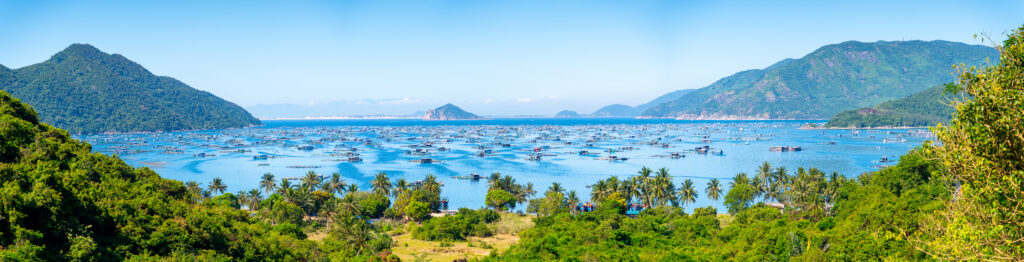


Phu Yen is a coastal gem where traditions remain alive, vibrant, and deeply connected to nature. From lobster farming and mat weaving to the use of basket boats and traditional fishing, these timeless customs form the heart and soul of life along the sea. In this detailed exploration, we highlight four incredible traditions that define the coastal identity of Phu Yen. Each one revolves around essential keywords: lobster farming Phu Yen, basket boat, mat weaving, and traditional fishing Phu Yen.
Mat Weaving – The Woven Soul of Rural Villages
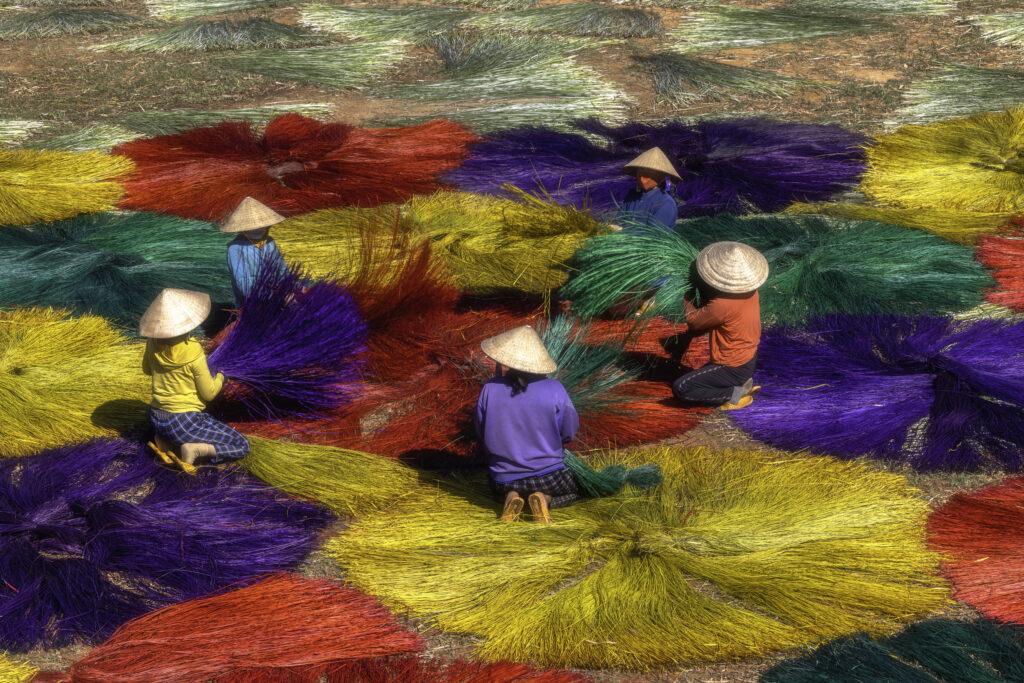
In Phu Yen, mat weaving is more than just a craft; it is a time-honored tradition that showcases the patience and artistry of local communities. Found in villages like Phu Tan and Hoa Dinh, mat weaving involves harvesting sedge or rush, sun-drying the stalks, dyeing them in vibrant colors, and weaving them together by hand using wooden looms. This tradition reflects the simplicity and charm of rural life.
The process of mat weaving is passed down from generation to generation, usually among women. It begins with collecting the right sedge plants, cleaning and drying them, then weaving colorful patterns into sleeping or prayer mats. These mats are essential in Vietnamese households. Every home has at least one, used for sleeping, sitting, or receiving guests.
Although industrial alternatives have become more common, the essence of mat weaving survives in Phu Yen. When visiting, travelers can experience mat weaving up close. You can sit beside a local artisan, feel the texture of the sedge, and try weaving with your own hands. The rhythmic clicking of the loom, the scent of dried grass, and the pride in the weavers’ eyes make mat weaving a powerful cultural experience.
Basket Boats – Vietnam’s Round Icons on Water
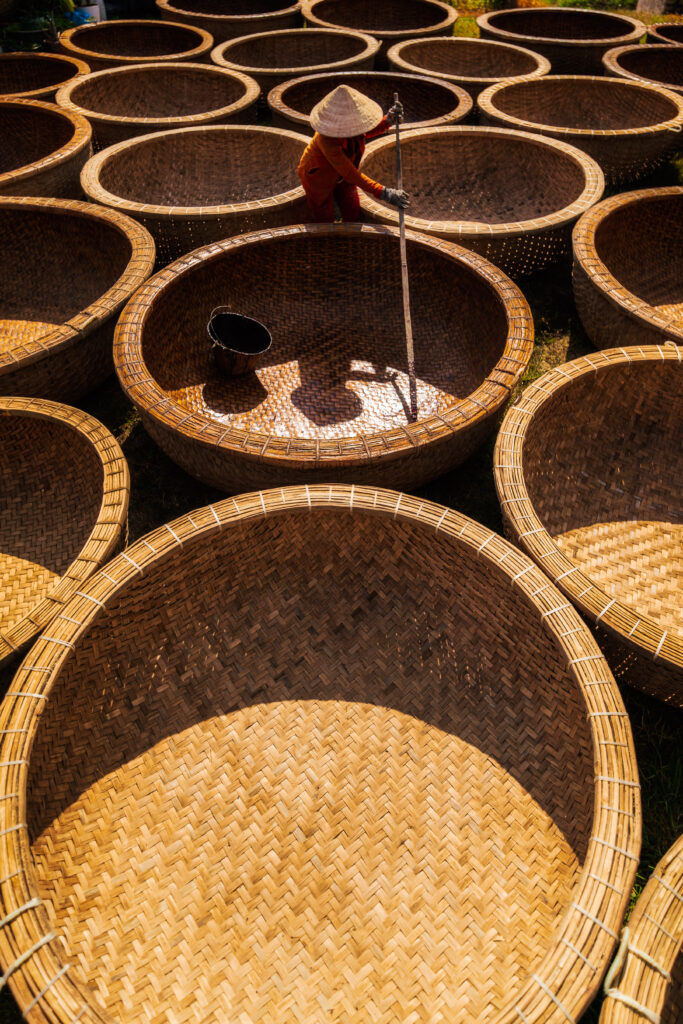
Phu Yen’s coastline is dotted with one of the country’s most iconic maritime symbols: the basket boat. These round boats, made from bamboo and sealed with resin or tar, are not only eye-catching but also highly practical. Known locally as thuyen thung, the basket boat has been used for decades by fishermen navigating shallow or reef-filled waters.
The construction of a basket boat is an art in itself. Strips of bamboo are carefully bent and woven into a circular frame, then coated to be completely waterproof. The shape may look quirky, but it allows the basket boat to float easily, resist capsizing, and be carried effortlessly by one person.
Rowing a basket boat is a skill that takes time to master. It requires a unique swirling motion, unlike the straight-line paddling used in standard boats. In Phu Yen, locals often use the basket boat to check fishing traps, transport goods, or give tourists a spin around the bay. Visiting fishing villages like Ganh Do or Vinh Hoa, you’ll see dozens of basket boats floating peacefully along the shore.
For travelers, joining a basket boat ride is a highlight. Not only do you get stunning views of the coast, but you also learn how this little round boat plays a big role in daily life. Whether for fishing, tourism, or transporting supplies, the basket boat remains a symbol of Phu Yen’s coastal culture.
Traditional Fishing – A Life in Rhythm with the Sea
Fishing is at the core of life in Phu Yen, and traditional fishing Phu Yen continues to shape local identity. In villages such as Tuy An, Long Thuy, and Song Cau, you can witness various methods of traditional fishing still in practice today.
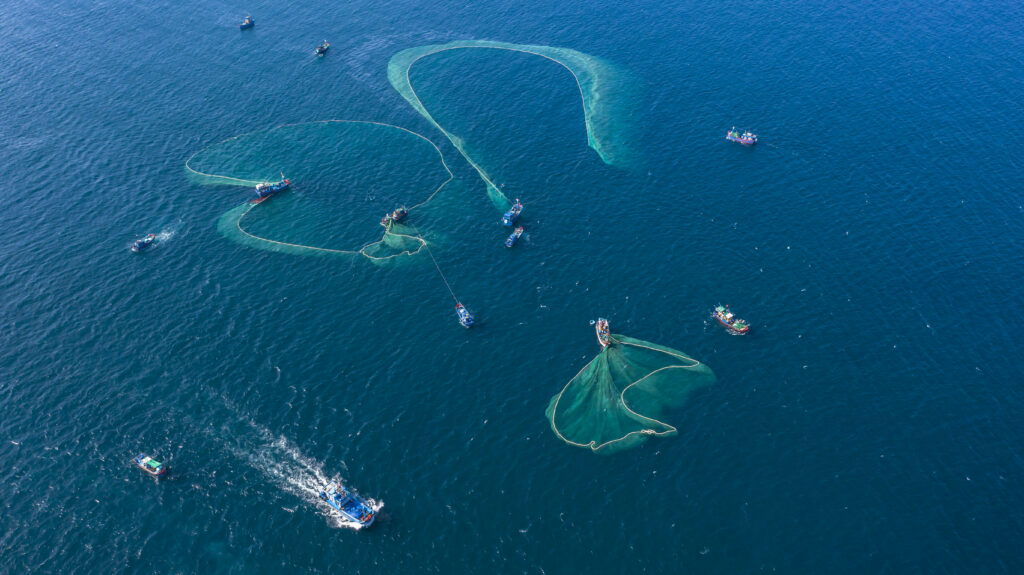
Each morning, fishermen head out in their basket boats or small wooden boats, practicing traditional fishing Phu Yen methods like net casting, line fishing, or using stake traps. These approaches are low-tech but incredibly effective, often requiring the ability to read ocean currents, wind patterns, and the movement of fish.
Traditional fishing Phu Yen also includes tidal fishing during low tide, where locals set traps in sandy or muddy zones to catch shrimp, crabs, and small fish. Many families rely on this seasonal practice to supplement their income and provide fresh seafood for their homes.
One of the most iconic scenes in traditional fishing Phu Yen is the hand-casting of large circular nets, a beautiful moment of balance, timing, and grace. Travelers can observe or even participate in these routines through guided tours or friendly invitations from local fishermen.
Traditional fishing Phu Yen reflects a sustainable approach to living with the sea. Instead of taking more than the ocean can offer, locals harvest what is needed while ensuring fish stocks remain healthy for future generations.
Lobster Farming – Phu Yen’s Coastal Treasure
Among all coastal traditions, lobster farming Phu Yen is one of the most profitable and visually striking. Stretching across Xuan Dai Bay and Vung Ro Bay, rows of floating lobster cages create an impressive seascape. These floating farms are anchored to shallow waters and contain juvenile lobsters raised until market-ready.
The rise of lobster farming Phu Yen has turned once-quiet bays into thriving aquaculture hubs. Farmers build wooden rafts equipped with square cages submerged in the water. Each cage contains lobsters that must be monitored, cleaned, and fed small fish or mollusks daily.
Lobster farming Phu Yen is labor-intensive. Farmers often live in small huts on the rafts to ensure round-the-clock care. After 18 to 20 months, the lobsters—especially the prized green spiny variety—are harvested and sold at high prices. A single mature lobster can sell for several hundred thousand dong, making it a key economic pillar for the region.
Tourists interested in lobster farming Phu Yen can take boat tours to these floating villages. Some experiences include lobster-catching demonstrations and enjoying freshly cooked lobster meals right on the water. It’s an unforgettable dive into the world of local aquaculture.