


Introduction
Ho Chi Minh now means more than ever. After the major administrative restructuring in July 2025, the new Ho Chi Minh region emerges as southern Vietnam’s most dynamic destination—formed by the unification of Ho Chi Minh City, Binh Duong, and Ba Ria – Vung Tau. This bold transformation blends the best of Vietnam’s urban vitality, industrial strength, and coastal charm into a single, unforgettable journey.
Ho Chi Minh City, still affectionately known as Saigon, continues to lead the nation as a center of commerce, culture, and creativity. With its mix of historic architecture, lively street food, modern malls, and rooftop bars, Ho Chi Minh City captures the essence of contemporary Vietnam while honoring its rich past.
Just beyond the city’s northern edge, Binh Duong expands the Ho Chi Minh travel experience with cutting-edge industrial parks, scenic rivers, and unique cultural landmarks like Dai Nam Wonderland and the Thu Dau Mot old quarter.
To the southeast, Ba Ria – Vung Tau enhances the Ho Chi Minh destination brand with stunning coastlines, spiritual retreats, and fresh seafood havens. From the iconic Jesus Christ statue in Vung Tau to the serene shores of Con Dao, this seaside extension of Ho Chi Minh brings balance and relaxation.
Whether you’re exploring downtown Ho Chi Minh, discovering hidden gems in Binh Duong, or unwinding on the beaches of Vung Tau, the greater Ho Chi Minh region offers unparalleled diversity—all within one powerful destination..
Main destination
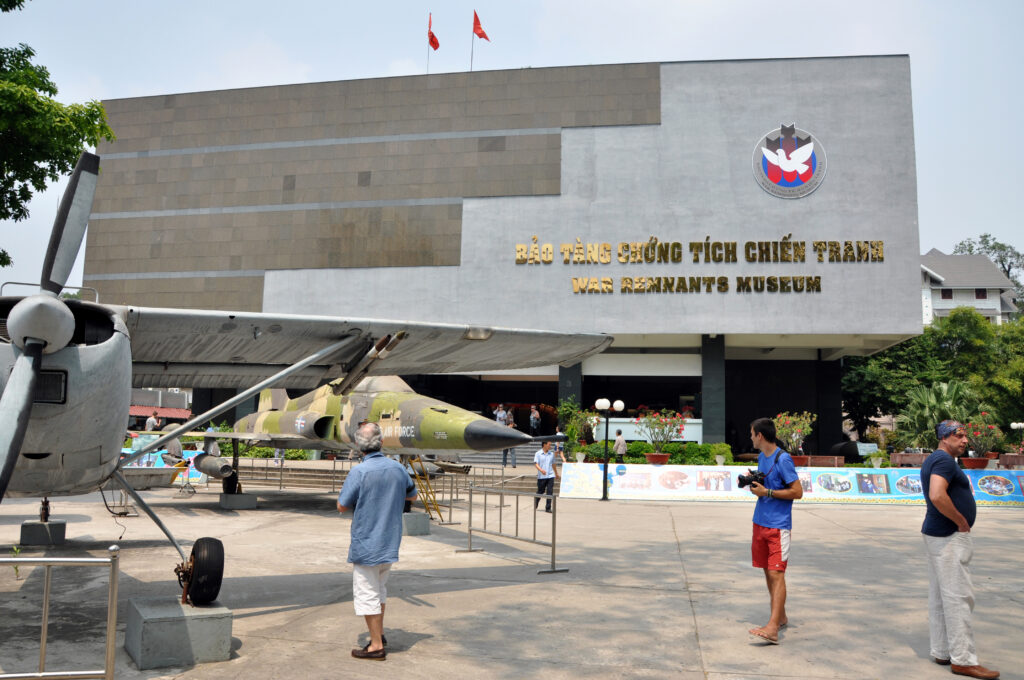
- War Remnants Museum – The Soul of Ho Chi Minh’s Historical Memory
The War Remnants Museum in Ho Chi Minh City is one of Vietnam’s most powerful and emotional historical sites. Located in central Ho Chi Minh, this museum draws thousands of international visitors every month with its vivid documentation of the Vietnam War. Through dramatic photojournalism, captured American aircraft, and preserved war relics, it brings the war’s devastating impact into sharp focus. Visiting the War Remnants Museum is essential for anyone wanting to understand Ho Chi Minh’s resilience and the broader history of Vietnam.
Notre-Dame Cathedral Basilica – The Architectural Heart of Ho Chi Minh City
As one of the most iconic landmarks of Ho Chi Minh City, the Notre-Dame Cathedral Basilica stands as a majestic reminder of the city’s French colonial past. Built in the late 1800s, this red-brick cathedral is located right in the heart of Ho Chi Minh, drawing both religious pilgrims and architecture enthusiasts. Paired with the nearby Central Post Office, it remains a centerpiece of Ho Chi Minh’s cultural and historic walking tours.
Bitexco Financial Tower Skydeck – Ho Chi Minh from Above
Rising boldly into the skyline, the Bitexco Financial Tower reflects the fast-paced growth of Ho Chi Minh City. Its 49th-floor Skydeck offers breathtaking 360-degree views of Ho Chi Minh—from the Saigon River to the historic downtown and out toward the suburban sprawl. It’s especially stunning at sunset, making it one of the top modern experiences in Ho Chi Minh tourism.
Landmark 81 – A Record-Breaking Icon in Ho Chi Minh City
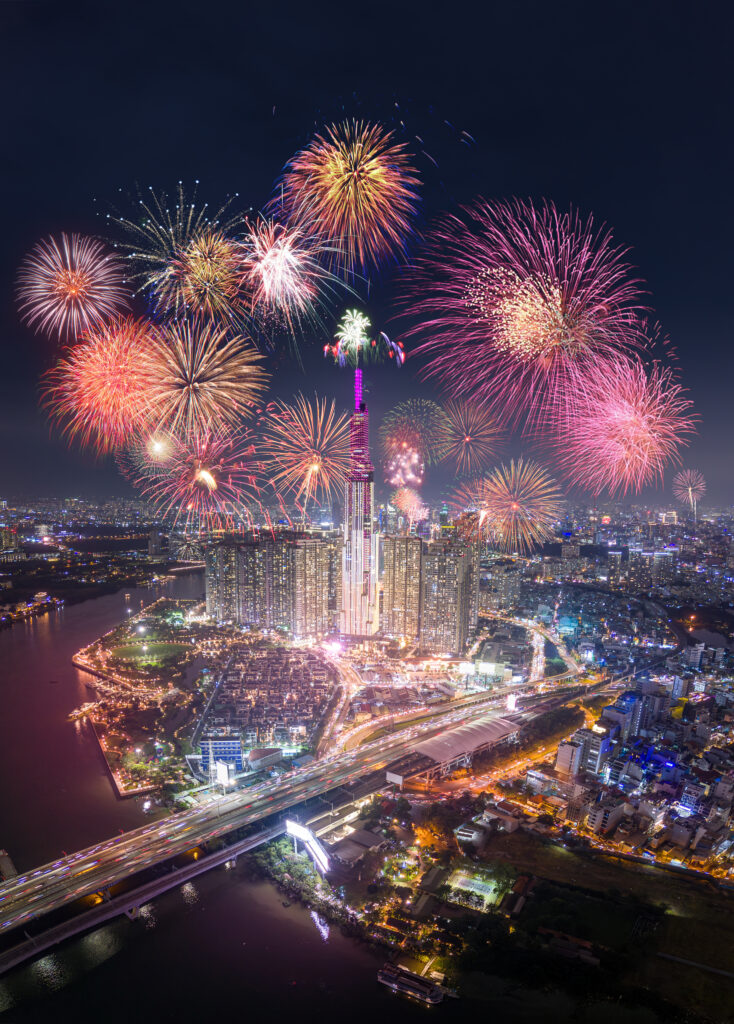
Rising majestically above the skyline of Ho Chi Minh City, Landmark 81 is not only Vietnam’s tallest skyscraper but also a symbol of modern ambition and architectural brilliance. Standing at 461.2 meters, this 81-storey tower dominates the cityscape and offers a wide range of world-class experiences—luxury shopping, fine dining, a five-star hotel, and the awe-inspiring SkyView observation deck on the 79th floor. Whether you’re admiring the tower from across the Saigon River or taking in panoramic views from the top, Landmark 81 is an unmissable highlight of any Ho Chi Minh travel itinerary. It’s where contemporary lifestyle meets vertical elegance in the heart of southern Vietnam.
Dai Nam Wonderland – A Giant Playground Just Outside Ho Chi Minh
Just an hour from central Ho Chi Minh, Dai Nam Wonderland in Binh Duong is a family-friendly escape packed with excitement. With over 450 hectares of temples, theme park rides, a safari zoo, racetracks, and waterparks, it adds a fun and adventurous element to any Ho Chi Minh itinerary. Whether you’re traveling with kids or looking to explore something different beyond Ho Chi Minh City, Dai Nam is a colorful addition to your journey.
Thu Dau Mot Heritage Quarter – Cultural Contrast to Ho Chi Minh’s Buzz
While Ho Chi Minh City offers modern thrills, Thu Dau Mot Heritage Quarter in nearby Binh Duong provides a charming step back in time. Just north of Ho Chi Minh, this quarter features quiet alleys, traditional homes, handcraft workshops, and local eateries that serve up regional flavors. It’s a hidden gem that adds cultural depth to any extended Ho Chi Minh travel experience.
Back Beach – The Closest Seaside Retreat to Ho Chi Minh
Only a couple of hours from Ho Chi Minh City, Back Beach (Bai Sau) in Vung Tau is the go-to weekend beach getaway. Known for its long stretch of sand, warm waters, and bustling seafood restaurants, Back Beach is where locals from Ho Chi Minh go to relax. Whether you’re escaping the urban heat or looking to enjoy grilled clams and ocean breezes, this beach adds a refreshing coastal touch to Ho Chi Minh tourism.
Christ the King Statue – Spiritual Heights Beyond Ho Chi Minh
Located in Vung Tau, yet part of the wider Ho Chi Minh travel region, the Christ the King Statue stands tall on Mount Nho, overlooking the sea. It’s one of the largest statues of Jesus in Asia and offers sweeping views that attract both religious visitors and adventure seekers from Ho Chi Minh City. The 800-step climb is rewarded by unforgettable panoramas and a sense of peace rarely found near urban centers like Ho Chi Minh.
Con Dao Islands – Ho Chi Minh’s Island Paradise
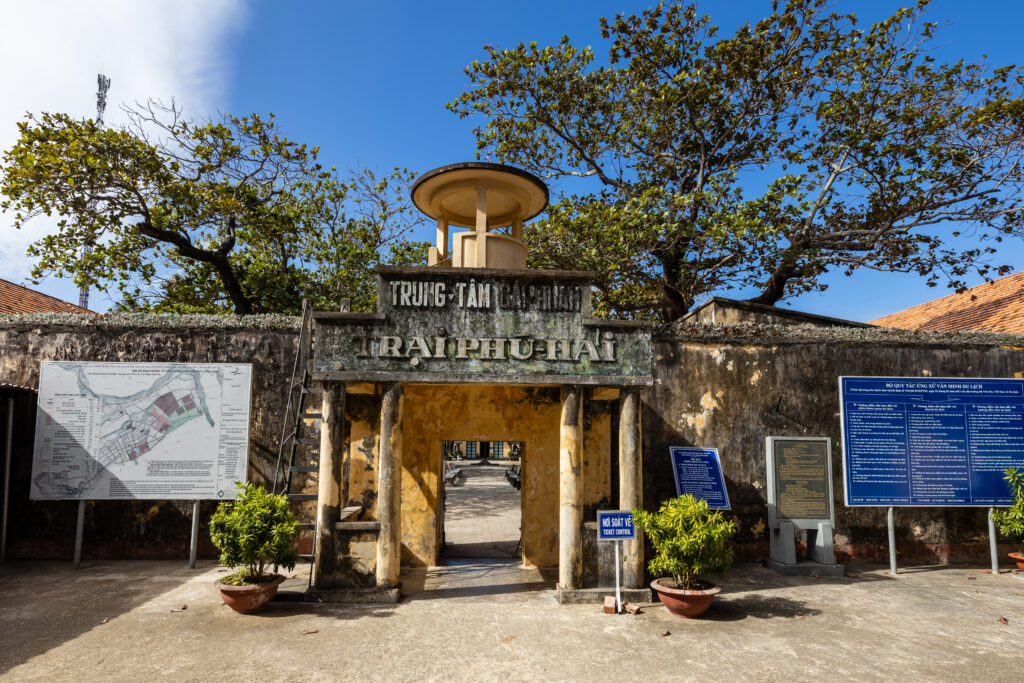
Although a short flight away, the Con Dao Islands are an increasingly popular extension of any Ho Chi Minh City itinerary. Known for their natural beauty and haunting history, these islands were once the site of colonial prisons but are now famous for eco-resorts, diving spots, and empty beaches. Travelers from Ho Chi Minh come here for multi-day retreats that blend historical depth with pristine nature.
Suggested Cuisine
Banh mi Saigon: A crispy French baguette filled with meats, pickles, pate, and herbs—an iconic street food symbol of Saigon tourism.
Bun thit nuong: Grilled pork served with vermicelli noodles, fresh herbs, and sweet fish sauce—a favorite in Ho Chi Minh City travel.
Grilled chicken with sticky rice: Charcoal-grilled chicken served with fragrant sticky rice and local dipping sauce.
Banh beo chen Binh Duong: Mini steamed rice cakes topped with shrimp, scallions, and crispy pork skin, served in small dishes.
Vung Tau seafood hotpot: Fresh fish, shrimp, squid, and crab simmered in a savory broth with local vegetables—a coastal specialty of Vung Tau beach.
Banh khot Vung Tau: Crispy mini pancakes topped with shrimp and green onions, often wrapped in herbs and dipped in fish sauce.
Where to Eat
Banh Mi Huynh Hoa (District 1, HCMC): Famous for its rich, overloaded banh mi Saigon—a must-try for foodies exploring Saigon tourism.
Bun Thit Nuong Chi Tuyen (District 3, HCMC): A local favorite for bun thit nuong with excellent grilled pork and homemade sauce.
Quan Ga Nuong Suoi Mo (Binh Duong): Best known for grilled chicken with sticky rice and local forest herbs in an open-air setting.
Banh Beo 49 (Thu Dau Mot, Binh Duong): Family-run eatery specializing in traditional banh beo chen with authentic flavors.
Ganh Hao Seafood Restaurant (Vung Tau): Elegant beachside spot serving Vung Tau seafood hotpot and grilled shellfish.
Banh Khot Goc Vu Sua (Vung Tau): Iconic spot for crispy banh khot, often voted among the best in Southern Vietnam.
Where to Stay
The Reverie Saigon (District 1, HCMC): A world-class luxury hotel in the heart of Saigon tourism with opulent interiors and top-tier service.
Park Hyatt Saigon (District 1, HCMC): An elegant French colonial-style hotel offering five-star amenities and proximity to key Ho Chi Minh City travel sites.
Citadines Central Binh Duong: Modern serviced residence ideal for business and leisure travelers seeking comfort near Dai Nam Wonderland.
Pullman Vung Tau: Luxury beachfront resort offering sweeping sea views, international dining, and easy access to Vung Tau beach.
Six Senses Con Dao: Exclusive eco-resort nestled on a private stretch of beach in the Con Dao Islands—ideal for secluded Southern Vietnam attractions.
Transportation
Getting to Ho Chi Minh City
By Air: The primary international gateway is Tan Son Nhat International Airport (SGN), with direct flights from Asia, Europe, Australia, and beyond.
By Land: Travelers from Cambodia or nearby southern provinces can enter by bus or private vehicle via border crossings or highways.
By Rail: Although slower, trains from central or northern Vietnam arrive at Saigon Railway Station, offering a scenic cross-country route.
Getting Around Ho Chi Minh City
Ride-hailing apps and taxis: Use Grab or traditional taxis for safe, convenient travel within the city and nearby areas like Binh Duong or Vung Tau.
Private car with driver: Ideal for flexible travel and day trips between the city and destinations such as Con Dao, Vung Tau beach, or industrial hubs.
Ferry to Vung Tau: High-speed ferries from Bach Dang Wharf to Vung Tau beach take about 2 hours and provide coastal views.
Flights to Con Dao Islands: For exploring Southern Vietnam attractions, take a short flight from Tan Son Nhat Airport to Con Dao.
Travel tips
- Carry both credit cards and Vietnamese dong as cards are accepted in major hotels and restaurants but cash is still necessary for street food and markets.
- Dress in light breathable clothing suitable for the heat but ensure modesty when visiting temples and religious sites.
- Expect hot and humid weather throughout the year so bring sunscreen a hat and stay hydrated.
- English is spoken in most tourist areas but learning a few simple Vietnamese phrases is respectful and helpful.
- Buy a local SIM card or portable Wi-Fi device to stay connected during your journey.
- Be cautious with your belongings and stay alert in crowded areas although the city is generally safe for tourists.
- Greet locals with a smile and remove your shoes before entering homes or religious sites.
