


Welcome to the complete travel guide to Quang Tri – a province that has recently taken on a bold new identity. Following the historic administrative merger between Quang Binh and Quang Tri, this newly expanded province offers travelers an even more diverse and compelling landscape to explore. From the majestic caves and karst mountains once emblematic of Quang Binh to the storied battlefields and resilient communities of Quang Tri, the unified region now stands as a powerful symbol of Vietnam’s natural beauty and historical depth.
This isn’t just a political shift on the map — it’s a transformation that unlocks a richer travel experience for anyone venturing into Central Vietnam. Stretching from the UNESCO-recognized caves of Phong Nha-Ke Bang to the sacred ruins of Vinh Moc Tunnels and the solemn grounds of the former DMZ, the new Quang Tri represents the convergence of geological wonder, cultural heritage, and national memory.
In this travel guide to Quang Tri, we invite you to see beyond the borders of the past. Here, you’ll hike through untouched forests, reflect at solemn memorials, relax on quiet beaches, and savor the distinct flavors of a region once divided, now united. The variety is astonishing: in one day, you can kayak through surreal cave rivers in former Quang Binh, and by sunset, watch the sky turn gold over the Thach Han River in historic Quang Tri town.
Whether you’re a history buff, an eco-adventurer, a photographer, or simply a traveler seeking meaningful experiences, this guide is designed to help you navigate the region’s must-see highlights and hidden treasures. We’ve gathered 9 amazing things every traveler should know to fully appreciate this newly formed province — from logistical tips to local legends.
Let this Quang Tri travel guide be your key to understanding not just a place on the map, but a living, breathing story of Vietnam’s past, present, and future — all waiting to be explored in one unforgettable journey.
Top Attractions in Quang Tri
1. Phong Nha – Ke Bang National Park: A Natural Wonder Beyond Imagination
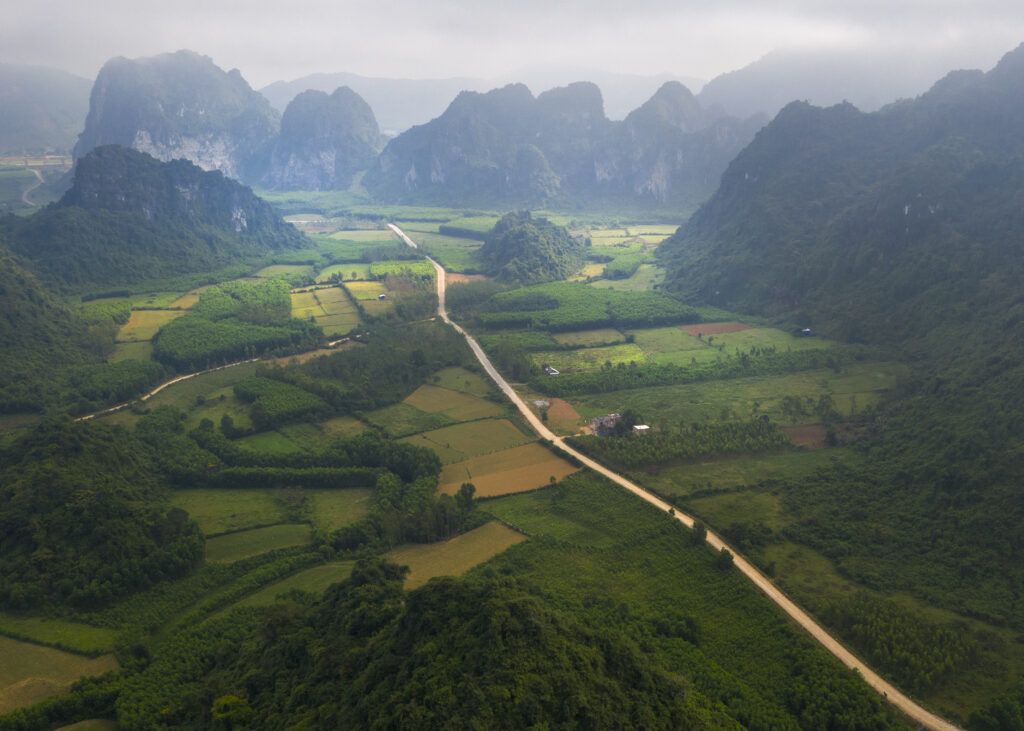
Located in the northern part of the newly merged Quang Tri province, the Phong Nha – Ke Bang National Park is a UNESCO World Heritage Site famed for its dramatic karst landscapes, lush jungles, and vast cave systems. The park covers over 850 square kilometers, offering breathtaking scenery for nature lovers and adventure seekers alike.
The highlight here is Son Doong Cave, the largest cave in the world, with its own weather system and jungle ecosystem inside. For those seeking a less extreme but still stunning experience, Paradise Cave (Thien Duong) offers a mesmerizing walk through towering stalagmites and intricate limestone formations. Underground rivers, biodiversity trails, and zip-lining adventures also make this park a must-see for anyone exploring Quang Tri’s natural treasures.
2. Vinh Moc Tunnels: A Subterranean World of Survival
Along the coastal belt of the former Quang Tri region lies the Vinh Moc Tunnels, an extraordinary underground network carved by local villagers during the Vietnam War. Built to withstand intense American bombings, these tunnels served as homes, schools, clinics, and meeting rooms — a fully functioning underground village that operated for six years.
Walking through the dark, narrow corridors of Vinh Moc, you’ll witness the quiet strength and ingenuity of those who lived beneath the surface to protect their families and community. It’s a haunting yet inspiring place that provides deep insight into Vietnam’s wartime resilience and civilian courage.
3. Quang Tri Citadel: Where History and Memory Stand Tall
The Quang Tri Citadel is a solemn and powerful historical landmark located in the heart of the province. Originally built in the early 19th century during the Nguyen Dynasty, the citadel gained worldwide attention during the fierce battle of 1972 — one of the bloodiest of the Vietnam War.
Today, the site stands as a memorial park, with preserved stone walls, symbolic sculptures, and tranquil gardens honoring the lives lost. A walk through this site is both a reflective and educational experience, making it an essential stop for those interested in Vietnamese history and collective memory.
4. Hien Luong Bridge & Ben Hai River: A Divided Past, a Unified Present
Once the official boundary between North and South Vietnam, the Hien Luong Bridge and the Ben Hai River are now symbols of reconciliation and unity. The area is preserved as a historic site, complete with a museum, restored military posts, and the iconic blue-and-yellow bridge straddling the 17th parallel.
The flags, murals, and memorials here paint a vivid picture of the country’s divided past — while the peaceful river flowing beneath serves as a quiet reminder of how far Vietnam has come. It’s a deeply symbolic place that no travel guide to Quang Tri should skip.
🕯 5. Paradise Cave (Thien Duong): A Walk Through an Underground Cathedral
Often described as one of the most beautiful dry caves in the world, Paradise Cave lives up to its name. Stretching over 31 kilometers beneath the limestone mountains, the first kilometer is open to tourists and features a wooden boardwalk through massive chambers filled with shimmering rock formations.
Soft lighting enhances the grandeur of the natural architecture, making every turn feel like a sacred encounter with the Earth itself. The cave is accessible via an uphill trail or electric buggy ride and offers guided tours for deeper exploration. It’s a highlight of any journey through northern Quang Tri, especially for those interested in eco-tourism and geology.
6. Dong Hoi Beach: Tranquil Seaside Retreat Along the Gulf
For a relaxing break between historical and natural excursions, head to Dong Hoi Beach, a serene stretch of sand lining the Gulf of Tonkin. The calm, shallow waters make it perfect for swimming, while early risers will be rewarded with golden sunrises over the horizon.
Seafood restaurants line the nearby streets, offering fresh catches grilled to perfection — a delicious way to end a peaceful beach day. This area is also conveniently close to the airport and city center, making it an ideal base for exploring both Quang Binh and Quang Tri.
7. La Vang Sanctuary: A Sacred Site of Faith and Healing
One of the most significant Catholic pilgrimage destinations in Vietnam, the La Vang Sanctuary blends spiritual significance with cultural beauty. According to legend, the Virgin Mary appeared here in the 18th century during a time of religious persecution.
Today, the sanctuary features modern basilicas, remnants of old churches, peaceful gardens, and a large open square where major celebrations are held. Whether you’re a believer or simply a lover of religious architecture, La Vang offers a peaceful space for contemplation and connection.
Suggested Cuisine
- Banh bot loc – Chewy tapioca dumplings filled with shrimp and pork, wrapped in banana leaves and steamed.
- Chao canh Quang Binh – Thick noodle soup served with pork, herbs, and chili, a comforting local favorite.
- Bun hen – Vermicelli topped with baby clams, fresh herbs, and peanuts, typically found in riverside markets.
- Khoai deo – Naturally dried sweet potatoes from Quang Binh, chewy and sweet with no additives.
- Banh xeo Quang Tri – Crispy rice pancakes with pork and bean sprouts, served with local herbs and fish sauce.
Where to Eat
- Tree Hugger Cafe (Dong Hoi) – Charming eco-cafe offering local dishes, vegetarian options, and travel info.
- Phong Nha Bamboo Cafe – Riverside eatery with views of the mountains and classic Quang Binh cuisine.
- Gio Linh Local Kitchen – Cozy family-run spot near the DMZ specializing in traditional Quang Tri meals.
- Ben Hai River Restaurant – Ideal for lunch after visiting the border zone, featuring fresh seafood and hotpot.
- Banh Bot Loc Co Nga – Small local shop known for its authentic steamed tapioca dumplings.
Where to Stay
- Chay Lap Farmstay (Phong Nha) – Eco-resort nestled in tropical gardens, perfect for cave adventurers.
- Victory Hotel Dong Ha – Centrally located hotel offering comfort and convenience for DMZ explorations.
- Muong Thanh Luxury Nhat Le Hotel – Beachfront hotel in Dong Hoi with modern amenities and sea views.
- Phong Nha Lake House Resort – Peaceful lakeside resort with bungalows and boat tours.
- Luxe Hotel Dong Hoi – Urban stay option close to local markets and beach access.
Transportation
Getting to Quang Tri
- Dong Hoi Airport (VDH) offers domestic flights from Hanoi and Ho Chi Minh City.
- The Reunification Express train runs through Dong Hoi and Dong Ha stations.
- Highway 1A and Ho Chi Minh Road are main routes for buses and private cars.
Getting Around Quang Tri
- Grab and taxis are available in Dong Hoi and Dong Ha.
- Private cars or guided tours are recommended for visiting remote caves or historical areas.
- Bicycles and motorbikes can be rented in Phong Nha for short trips and local rides.
Travel Tips
- Caves like Son Doong require booking months in advance with licensed tour operators.
- Bring sturdy shoes and water-resistant clothing when exploring national parks or tunnels.
- Respect memorial sites and follow local guides for proper cultural conduct.
- Weather can vary dramatically between coastal and inland areas; pack light rain gear.
- Support local communities by purchasing handmade crafts or homegrown snacks.
