


Once the capital of the Nguyen Dynasty, Hue Vietnam is a city where history whispers from every moss-covered wall. Nestled along the Perfume River, Hue is a harmonious blend of imperial grandeur, poetic landscapes, and spiritual calm. For those seeking cultural depth and architectural elegance, Hue travel is an essential experience in any Vietnam journey. With royal tombs, ancient pagodas, and UNESCO-listed citadels, Hue transports you into a world of regal legacy and timeless charm.
Main Destinations – Best Places to Visit in Hue
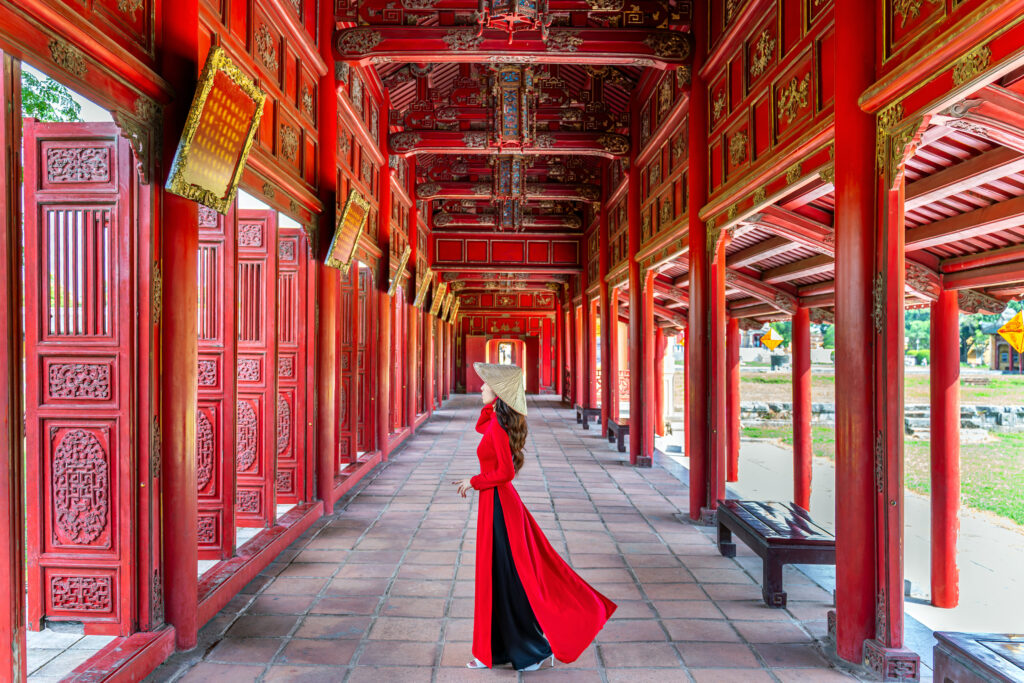
The Imperial City – The Crown Jewel of Hue Travel
Hue travel would not be complete without a visit to the Imperial City, the historical heart of Hue tourism and a UNESCO World Heritage Site. This walled citadel, once the capital of the Nguyen Dynasty, is a majestic complex filled with ornate palaces, ancient temples, and serene royal courtyards. Step through the imposing Noon Gate and walk in the footsteps of emperors. Key highlights include the Thai Hoa Palace, the Forbidden Purple City, and imperial gardens that echo centuries of Vietnamese royalty.
Thien Mu Pagoda – A Spiritual Highlight
Towering over the banks of the Perfume River, Thien Mu Pagoda is one of the most picturesque stops in any Hue travel itinerary. With its distinctive seven-story tower and tranquil setting, it has become a symbol of the city. Built in 1601, this ancient pagoda is steeped in both legend and history. Visitors can stroll through peaceful bonsai gardens, admire the giant bronze bell, and view the Austin car used by the monk Thich Quang Duc, a symbol of Buddhist resistance. As one of the most revered Hue destinations, Thien Mu blends spiritual depth with scenic beauty.
Royal Tombs – Historic Marvels of Hue Travel and Tourism
A journey through Hue tourism is incomplete without exploring the Royal Tombs of the Nguyen emperors, scattered throughout the countryside along the Perfume River. These sacred Hue destinations showcase a unique fusion of landscape design and imperial architecture:
- Tomb of Khai Dinh: The most ornate of all, featuring a striking mix of Gothic, Baroque, and Vietnamese styles, and intricate mosaic decorations.
- Tomb of Minh Mang: A harmonious, Confucian-inspired complex known for its symmetry, lotus-filled lakes, and peaceful atmosphere.
- Tomb of Tu Duc: Romantic and introspective, this site served both as a royal residence and tomb, with poetic pavilions and pine-shaded walkways.
Each tomb offers a unique story and experience, making them essential stops for any Hue travel itinerary.
Dong Ba Market – The Local Heartbeat
If you want to immerse yourself in the everyday life of locals, Dong Ba Market is one of the liveliest and most authentic Hue destinations. This traditional market near the northern bank of the Perfume River is a central part for foodies and culture enthusiasts. Wander through vibrant stalls selling tropical fruits, handcrafted souvenirs, and local spices. It’s also a culinary hotspot—don’t miss bun bo Hue, banh nam, or che Hue. Beyond shopping and eating, Dong Ba offers a vivid slice of local life, making it a must-visit for real cultural Hue tourism experiences.
Transportation
How to Get :
Hue travel is easily accessible from many major cities in Vietnam, making it a convenient stop on your journey through the country. The most comfortable and time-saving option is flying into Phu Bai International Airport, which serves daily domestic flights from Hanoi, Ho Chi Minh City, and Da Nang. For those seeking a more scenic and immersive experience, the Reunification Express train offers a leisurely ride with views of coastal landscapes and lush countryside, connecting Hue with cities like Hanoi and Ho Chi Minh City. If you’re already in Central Vietnam, Hue is just a 2–3 hour drive from Da Nang or Hoi An, making it a smooth and rewarding detour for travelers exploring the region.
Getting Around Hue:
Exploring Hue is part of what makes Hue tourism so charming. For a slow-paced and authentic experience, consider riding a cyclo or renting a bicycle to navigate the old town and riverside areas. Grab (a local ride-hailing app) is a reliable and safe option for taxis or motorbike taxis, especially for short trips around the city or to royal tombs outside the center. For a more poetic journey, hop on a boat ride along the Perfume River, a unique and tranquil way to see historic pagodas, imperial relics, and traditional villages. Whether by land or water, getting around Hue is part of the cultural experience.
Suggested Cuisine
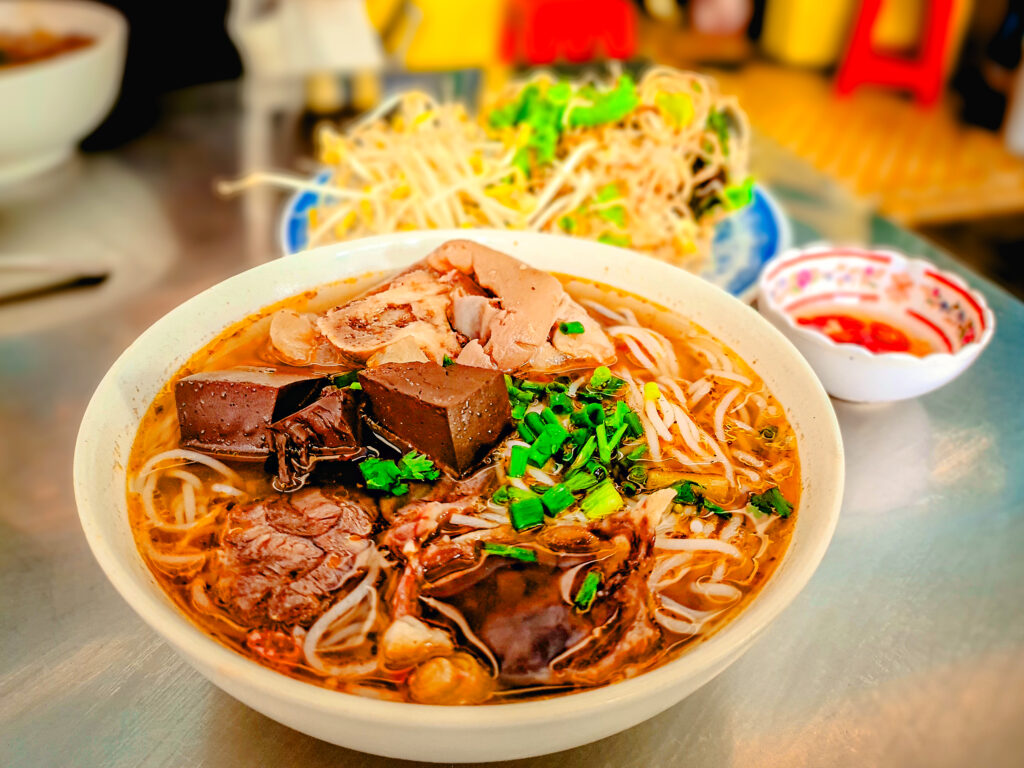
Bun Bo Hue (Spicy Beef Noodle Soup)
This is the most iconic dish, and a must-try for anyone interested in local food. Made with a fragrant lemongrass-infused broth, thick round noodles, slices of tender beef, and pork hock, Bun Bo Hue is richer and spicier than pho. Often served with lime, chili, banana blossom, and fresh herbs, it’s the boldest expression of food you’ll find. Perfect for breakfast or lunch.
Banh Beo (Steamed Rice Cakes)
A popular street food, Banh Beo consists of small steamed rice cakes served in tiny dishes, topped with minced shrimp, crispy pork skin, scallion oil, and sweet fish sauce. It’s delicate, savory, and offers a glimpse into the refined nature of royal-style cuisine.
Banh Nam (Flat Rice Dumpling)
Banh Nam is a soft, flat dumpling made from rice flour and filled with shrimp and pork, wrapped in banana leaves and steamed. It has a silky texture and is often enjoyed with sweetened fish sauce. This dish is a local favorite among both tourists and residents exploring cuisine .
Banh Loc (Tapioca Dumpling)
Made from chewy tapioca flour and filled with shrimp and pork, Banh Loc is either steamed in banana leaves or served in transparent form. Dipped in chili garlic fish sauce, it offers a perfect balance of spicy, salty, and sweet flavors. A must-try for foodies discovering local cuisine.
Com Hen (Baby Clam Rice)
A truly unique dish from, Com Hen is a flavorful mix of baby clams, rice (or rice noodles), crispy pork skin, roasted peanuts, herbs, fermented shrimp paste, and chili. It’s typically served cold, offering a contrast of textures and temperatures. Adventurous eaters will love this local specialty during their travel experience.
Nem Lui (Grilled Lemongrass Pork Skewers)
Nem Lui features skewered ground pork grilled on lemongrass sticks, served with rice paper, herbs, pickled vegetables, and a thick peanut sauce. Diners wrap everything together and dip into the sauce. It’s a hands-on, flavorful experience and a favorite in many food tours.
Where to eat
- Bun Bo Hue is best enjoyed in the morning at local eateries—look for places with bustling crowds.
- For a tasting tour of Hue’s royal snacks like Banh Beo, head to family restaurants or small kitchens near the Citadel.
- Com Hen is a local favorite at Dong Ba Market—ask for it slightly spicy if you’re new to the flavors.
- Nem Lui is perfect for hands-on eaters—roll your own wrap with lettuce, herbs, and dip in peanut sauce.
Things to Do
- Stroll the Imperial City in the early morning to capture its solemn beauty without the crowds.
- Cruise along the Perfume River at sunset for a romantic view of pagodas and mountain silhouettes.
- Visit the Tomb of Khai Dinh for a striking fusion of Eastern and Western architecture.
- Take a cooking class to learn how to prepare royal cuisine.
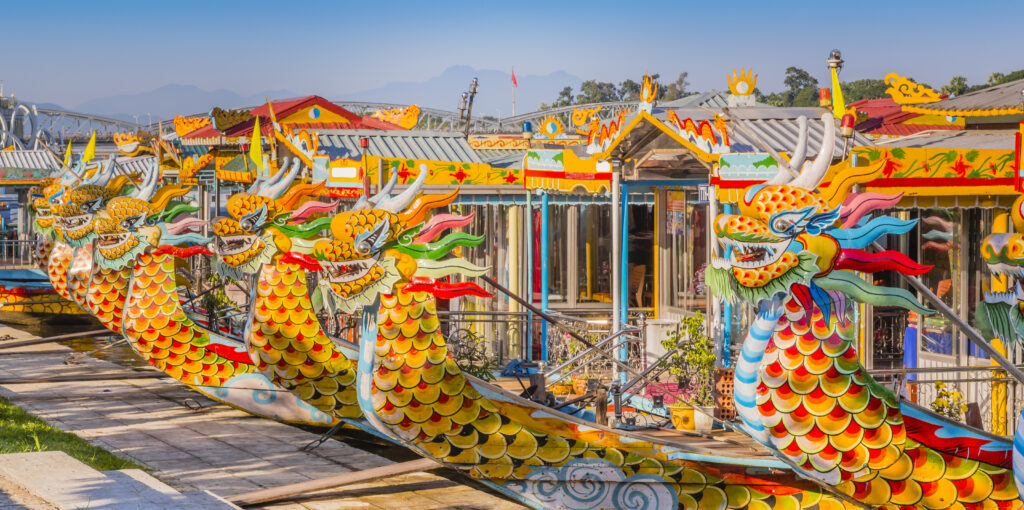
- Enjoy traditional music (Ca Hue) performed on dragon boats—an elegant cultural immersion.
Seasonal Highlights – When to Visit
- Spring (Feb–Apr): Best time —cool, dry weather and blooming flowers.
- Summer (May–Aug): Hot but ideal for boat rides and coastal excursions nearby.
- Autumn (Sept–Oct): Lush greenery, romantic atmosphere, fewer tourists.
- Winter (Nov–Jan): Misty, occasionally rainy—adds a melancholic charm to ancient temples and tombs.
