


1. Introduction
Located in the heart of Hue, the ancient capital of Vietnam, Dai Noi Hue—also known as the Hue Imperial City—is one of the most majestic historical sites in the country. This vast citadel was once the political, cultural, and religious center of the Nguyen Dynasty, Vietnam’s last imperial family. Enclosed within formidable stone walls and moats, the complex tells stories of imperial glory, dynastic rituals, and the nation’s turbulent past. A visit to Dai Noi Hue offers travelers a rare chance to step into the world of emperors, mandarins, and royal concubines while discovering Vietnam’s rich cultural heritage.
2. Highlights
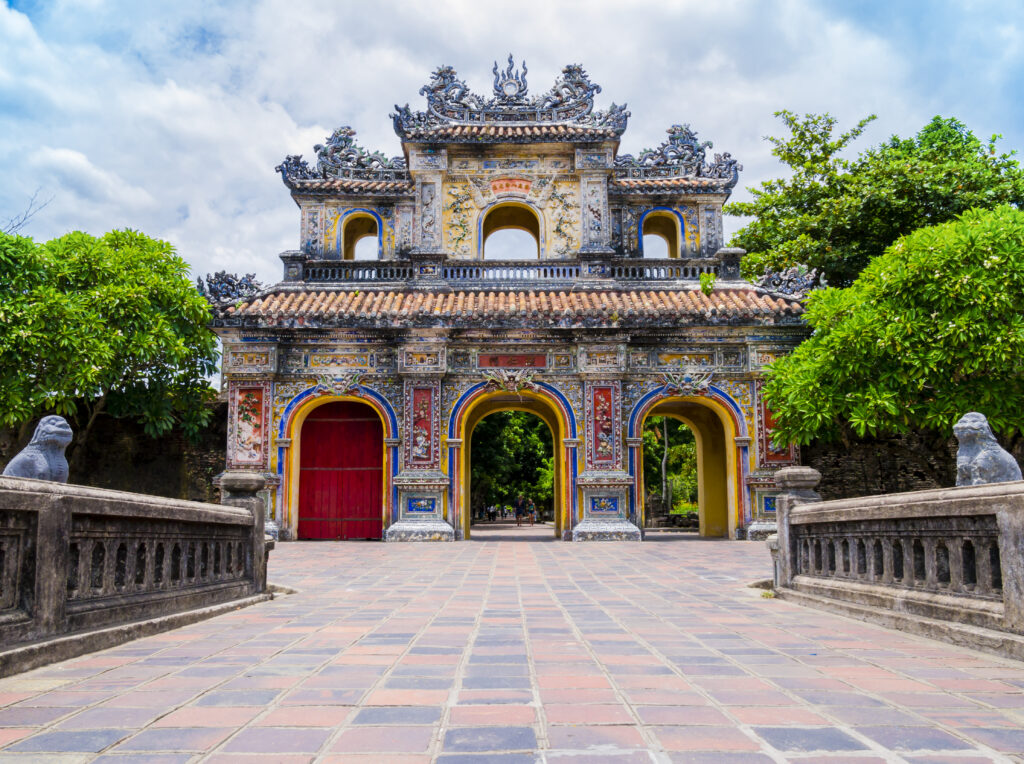
The Citadel (Kinh Thanh)
The outermost layer of the Hue Imperial City, the Citadel is a vast defensive structure built with thick stone walls and surrounded by a wide moat fed by the Perfume River. It spans over 10 kilometers in circumference and includes 10 main gates such as Ngan Gate and The Nhon Gate, each historically guarded by imperial soldiers. This area served as the protective barrier of the capital and still conveys a sense of majesty and power from Vietnam’s feudal era.
The Imperial City (Hoang Thanh)
Inside the Citadel lies the Imperial City, where key administrative buildings, temples, and royal ceremonial spaces were located. Designed with perfect feng shui symmetry, the Imperial City houses grand palaces and important pavilions aligned along a central axis. It was the setting for royal meetings, imperial exams, religious rituals, and festivals—representing the heart of Nguyen Dynasty governance and Confucian culture.
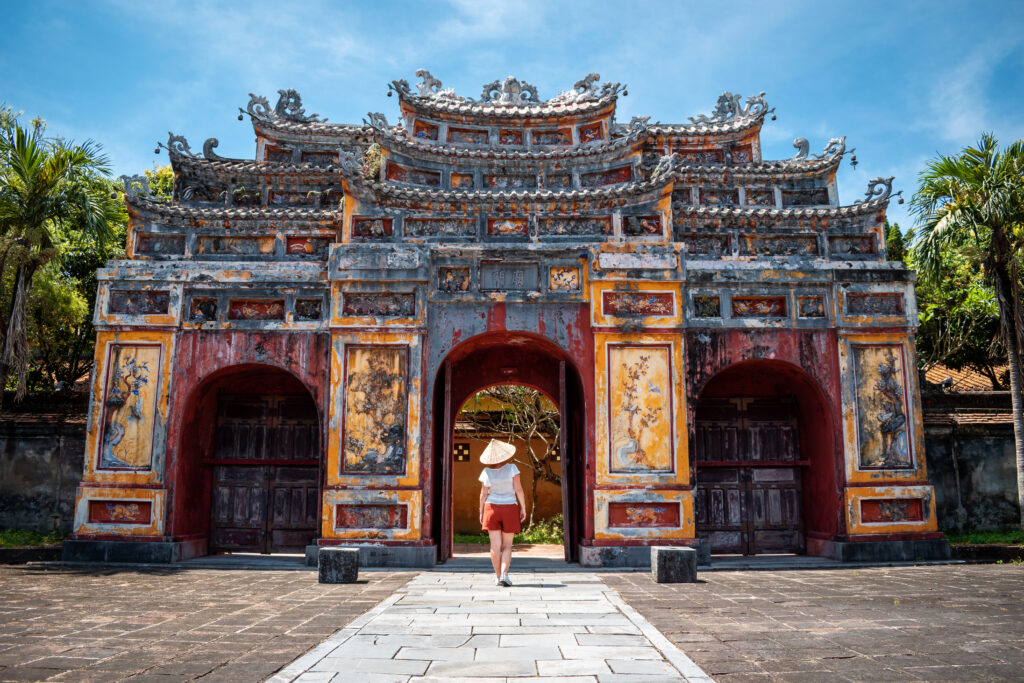
The Forbidden Purple City (Tu Cam Thanh)
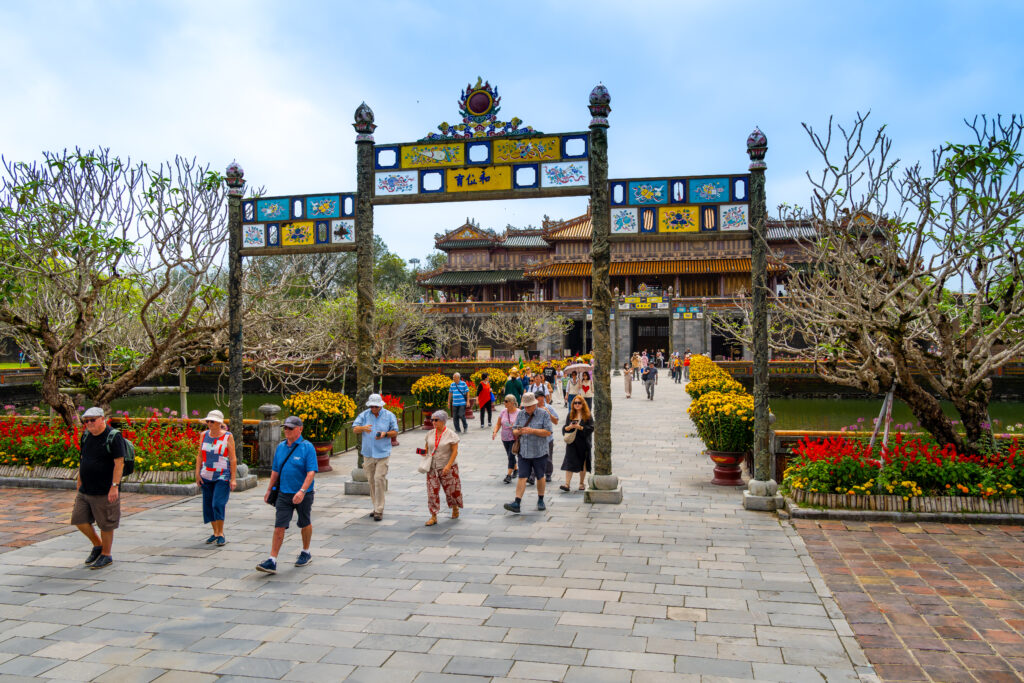
Located deepest within the complex, the Forbidden Purple City was once a strictly guarded residential zone accessible only to the Emperor, his consorts, and eunuchs. It was inspired by the Chinese model but customized for Vietnamese imperial traditions. Although many structures here were damaged by wars and time, remnants of tiled pathways, lotus ponds, and quiet courtyards still evoke the mystery and intimacy of royal life.
3. What to See
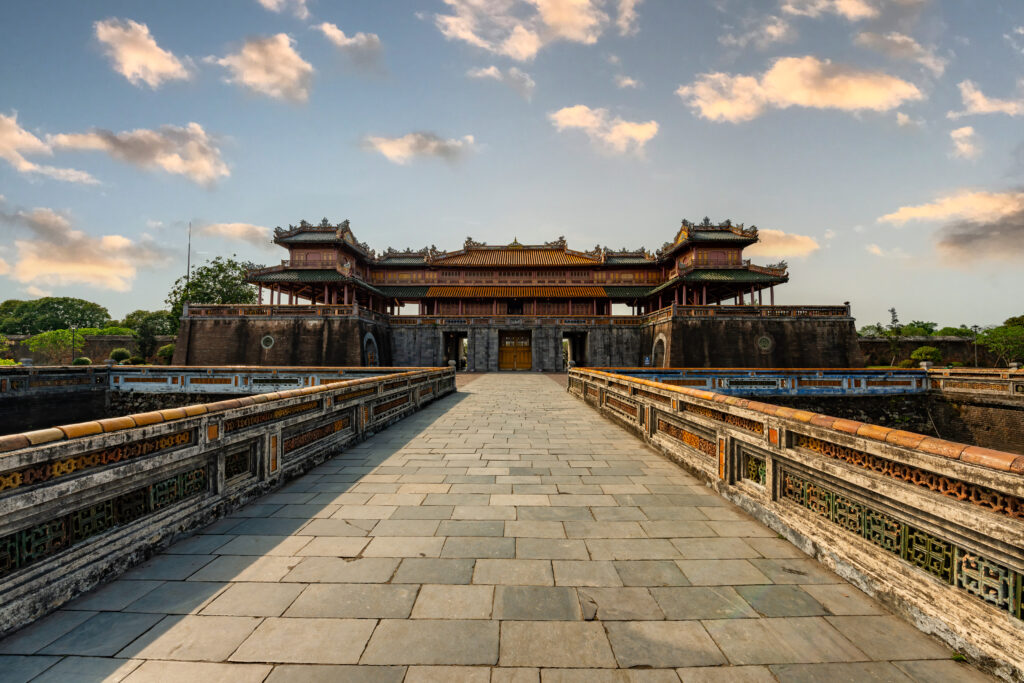
Ngo Mon Gate
This is the iconic southern gate to the Imperial City and the official main entrance reserved for the emperor. Its five entrances symbolized imperial hierarchy, with the central path used exclusively by the monarch. The gate is a multi-tiered structure with a large flag tower, drum pavilions, and observation halls, where important edicts were once read to the public.
Thai Hoa Palace
Built in 1805, this palace was the site of major imperial ceremonies, such as coronations and receptions of foreign envoys. The richly decorated interior features 80 lacquered ironwood columns adorned with golden dragons and traditional motifs, symbolizing authority and cosmic order. Thai Hoa Palace is one of the most architecturally intact and significant buildings within Hue’s royal citadel.
The Forbidden Purple City
Though heavily damaged, visitors can still observe the layout of this exclusive zone through its surviving walls, gates, and restored foundations. Exploring this area offers a rare glimpse into the secluded life of emperors and concubines, where daily activities were governed by strict court etiquette and secrecy.
Hien Lam Pavilion and The Nine Dynastic Urns
Hien Lam Pavilion is a three-story wooden tower dedicated to honoring previous Nguyen rulers. In front of it stand the Nine Dynastic Urns—massive bronze vessels, each representing one emperor and engraved with sacred motifs like animals, mountains, and rivers. These symbols illustrate the emperor’s divine connection with the nation and cosmos.
Dien Tho Residence
This tranquil palace complex was reserved for the Queen Mothers and royal ladies. It includes elegant wooden houses, courtyards shaded by frangipani trees, and a private garden. The design emphasizes refinement, serenity, and female presence in the imperial household. Today, it remains one of the best-preserved and most atmospheric parts of the citadel.
Royal Theater (Duyet Thi Duong)
Built in 1826, this is Vietnam’s oldest surviving theater, located within the Forbidden Purple City. It was used exclusively for entertaining the emperor and his court with classical music, dance, and drama. The red-lacquered interior, traditional costumes, and preserved stage offer visitors a chance to appreciate ancient Vietnamese performing arts.
4. How to Explore
On Foot or by Bicycle
The best way to experience the Hue Imperial City is on foot or by bicycle, allowing visitors to immerse themselves in the tranquil, regal ambiance. The wide stone paths, shaded corridors, and open courtyards offer a relaxing pace, ideal for observing the architectural harmony and symbolic design elements of each structure. Biking also helps you cover more ground while still maintaining a peaceful, close-up experience.
Half-day Guided Walking Tour
Joining a guided walking tour enhances your understanding of Hue’s imperial past. Knowledgeable guides share stories about royal etiquette, the symbolism of decorative motifs, and the historical events that unfolded behind the palaces’ walls. These tours often last around 2–3 hours and include all the major highlights, helping you appreciate the layers of meaning in each structure.
Cultural Performances in the Citadel
At designated times, visitors can attend performances of nha nhac cung dinh Hue (Hue royal court music), a UNESCO-recognized art form. Held at the Royal Theater or open-air stages, these shows feature traditional instruments, elegant costumes, and refined dance movements that revive the splendor of Vietnam’s royal rituals. It’s a sensory journey through sound, sight, and ceremony.
Tickets and Access
Entrance tickets can be purchased directly at Ngo Mon Gate or online via official tourism platforms. Combo tickets are available for visiting other nearby imperial tombs. The site opens daily from morning until late afternoon, and some restored buildings offer maps or audio guides in multiple languages to assist self-guided visitors.
5. Suggested Local Cuisine
Com cung dinh (Royal Meal)
Com cung dinh is a luxurious multi-course meal that once served emperors and nobility in Hue. The dishes are intricately arranged to resemble phoenixes, lotuses, or dragons and emphasize balance in taste, color, and nutrition. A typical set includes grilled meats, fragrant rice, imperial soups, and sweet lotus-based desserts—each served in porcelain ware and accompanied by elegant décor.
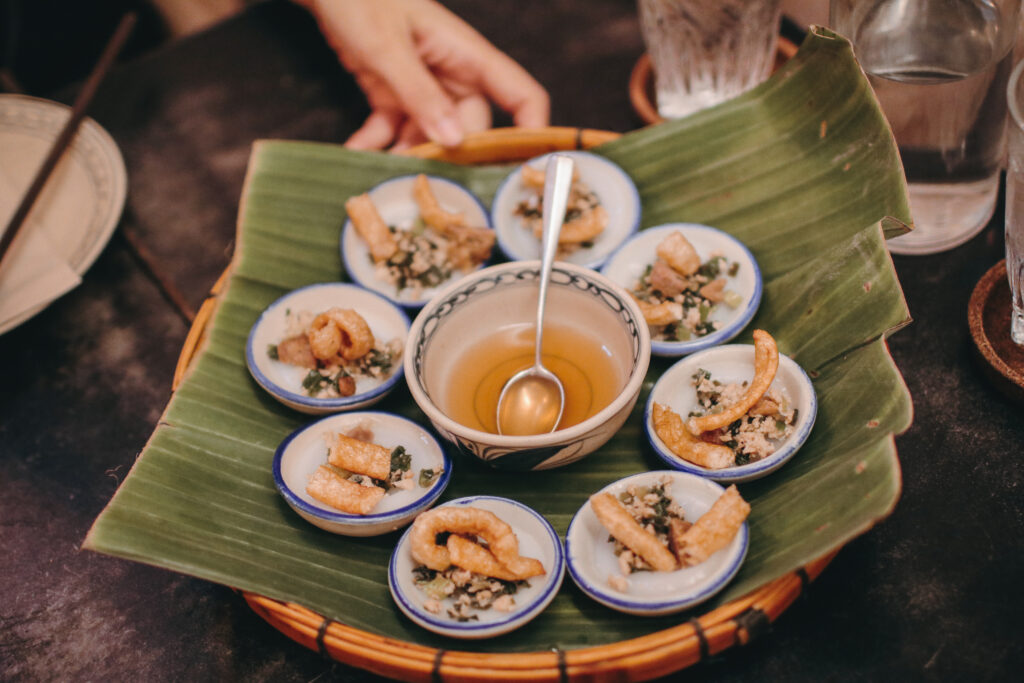
Banh beo, banh nam, banh loc
These delicate steamed cakes are iconic Hue snacks, often served in bite-sized portions on tiny ceramic dishes. Banh beo is a soft rice cake topped with minced shrimp and crispy shallots; banh nam is wrapped in banana leaves and filled with ground pork and shrimp; while banh loc features chewy tapioca skin enclosing shrimp and pork. These dishes reflect Hue’s subtle culinary style and are best enjoyed hot with a spoonful of fish sauce.
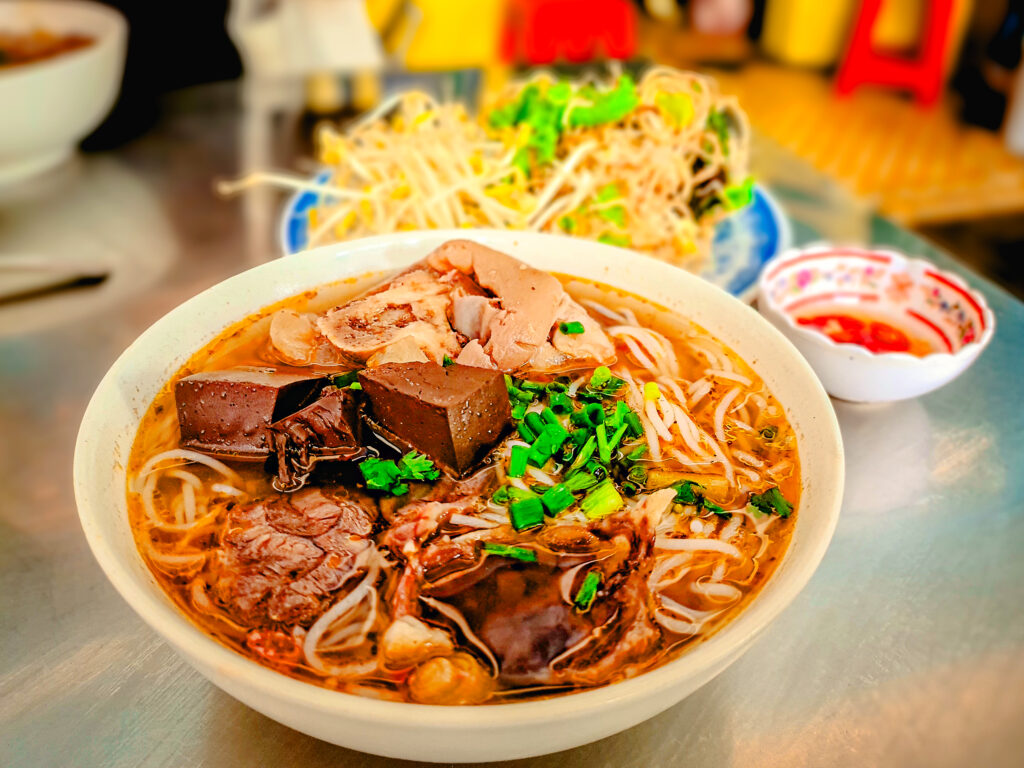
Bun bo Hue
This rich and spicy noodle soup originates from Hue’s royal kitchens and has become one of Vietnam’s most beloved dishes. It features thick round noodles in a beef-based broth flavored with lemongrass, shrimp paste, and chili oil. Large slices of beef shank, pork hock, and crab meatballs add layers of flavor, making it a hearty yet sophisticated meal reflective of central Vietnam’s bold palate.
Che Hue (Hue-style sweet soups)
Hue is famous for its wide variety of che—sweet soups made with ingredients like mung beans, taro, lotus seeds, tapioca pearls, and coconut milk. Served either hot or cold, che Hue is both a snack and a dessert, known for its vibrant colors and contrasting textures. It’s often enjoyed at roadside stalls after a long day of sightseeing.
6. Where to Eat
Ancient Hue Garden Houses
Located near the Imperial City, Ancient Hue is a complex of restored garden villas serving royal cuisine in an authentic setting. Guests dine in wooden pavilions surrounded by lotus ponds and bonsai trees, enjoying dishes that recreate the flavors and presentation of Nguyen Dynasty feasts. The atmosphere is refined, quiet, and steeped in heritage.
Tinh Gia Vien Restaurant
Tinh Gia Vien offers an immersive culinary experience where guests can enjoy com cung dinh served by staff dressed in royal costumes. The restaurant is housed in a traditional Hue-style home, decorated with imperial antiques, silk lanterns, and calligraphy scrolls. Each course is plated like a work of art, creating a dining experience that is as visual as it is flavorful.
Quan Hanh
For travelers seeking authentic Hue food in a more casual and affordable setting, Quan Hanh is a local favorite. The menu features a wide range of central Vietnamese specialties, from banh beo and banh loc to bun thit nuong. The restaurant is popular with both locals and tourists for its generous portions, fast service, and home-style flavors.
Les Jardins de La Carambole
This French-colonial villa turned restaurant offers a fusion of Western and Hue royal cuisine. Located near the Citadel, it’s a great spot for a romantic dinner or relaxed lunch. The elegant dining space, with its antique furnishings and courtyard garden, complements the menu’s refined flavors, including French-style duck and Vietnamese lemongrass chicken.
7. How to Get There
Travel to Hue
Hue is easily accessible from major cities in Vietnam, making it a convenient stop on any central Vietnam itinerary.
- By air: Phu Bai International Airport (HUI) lies about 15 kilometers south of the city center. It offers daily domestic flights from Hanoi, Ho Chi Minh City, and Da Nang. The airport is small but efficient, and you can reach the Imperial City by taxi or private transfer in about 30 minutes.
- By train: Hue Railway Station is part of Vietnam’s North-South Reunification Express line. Trains run daily from Hanoi and Ho Chi Minh City, with scenic routes that pass through rice paddies and coastal cliffs. Though slower than flying, train travel offers a nostalgic and relaxing experience.
Travel around Hue
Once in Hue, getting to the Imperial City is straightforward.
- By taxi or Grab: Most hotels are within a 10–15 minute ride to the citadel. Apps like Grab are reliable and affordable in Hue.
- By cyclo: For a charming local experience, hire a xich lo (cyclo) to slowly wind through leafy boulevards and cross historic bridges to reach the citadel gates.
- By bicycle: Many hotels offer bike rentals, and Hue’s flat terrain makes cycling ideal. You can ride along the Perfume River or through shady streets around the Imperial City.
- On foot: If you stay in the city center, the citadel is within walking distance. The surrounding neighborhoods are safe and filled with cafes, souvenir shops, and colonial-era houses to discover along the way.
8. Best Time to Visit
Hue experiences distinct seasons, and timing your visit well can greatly enhance your exploration of the Hue Imperial City.
- Spring (February to April): This is the best time to visit Hue. The weather is pleasantly cool and dry, with blooming flowers and gentle sunlight. It’s ideal for walking tours of the citadel without the discomfort of heat or rain.
- Autumn (September to November): Another favorable period when the city enjoys mild temperatures and clear skies. The air feels fresh, and photography is especially rewarding in the golden afternoon light.
- Summer (May to August): The days can be hot and humid, but early morning visits (7–9 AM) help avoid the heat. If visiting in summer, bring a hat, sunscreen, and plenty of water.
- Rainy season (October to December): This time sees frequent rains and occasional flooding. While fewer tourists visit, the citadel’s moody, misty atmosphere can feel poetic. Be sure to check weather forecasts and wear waterproof footwear.
- Hue Festival (every 2 years): If your travel dates align with this cultural festival, you’ll witness vibrant parades, traditional music and dance performances, art installations, and dramatic light shows around the citadel.
9. Things to Do
Join a Guided Historical Tour
A guided tour through the Hue Imperial City offers deep insight into Vietnam’s royal legacy. Guides share fascinating stories about emperors, royal concubines, and political intrigue, while also interpreting architectural and spiritual elements you might otherwise overlook. Tours are available in English, French, and Vietnamese.
Watch Royal Court Music Performances
Don’t miss the opportunity to watch nha nhac cung dinh Hue, performed live within the citadel. This art form includes elegant dancing, traditional instruments like the dan bau, and ceremonial costumes. It revives the dignity and refinement of court life and is recognized by UNESCO as Intangible Cultural Heritage.
Photograph the Majestic Gates and Walkways
Hue Imperial City is a photographer’s dream. From the ornate Ngo Mon Gate to the moss-covered pavilions and lotus ponds, every corner offers a scenic frame. The golden hour—just after sunrise or before sunset—casts a soft glow on the ancient tiles and courtyards, perfect for capturing timeless memories.
Explore Nearby Royal Tombs
Hue is also home to the elaborately designed mausoleums of Nguyen emperors. After touring the citadel, consider visiting the tombs of Tu Duc, Minh Mang, and Khai Dinh. These sites lie in scenic hills and showcase unique blends of architecture, landscape, and imperial philosophy.
Visit Hue Museum of Royal Fine Arts
Located just across from the Imperial City, this museum houses a rich collection of royal artifacts: costumes, ceramics, furniture, and antique photographs. It provides context for what you see inside the citadel, making it a great extension to your cultural exploration.
10. Travel Tips
- Wear comfortable shoes: The complex covers a large area with stone paths, staircases, and uneven terrain. Walking shoes or sandals with good grip are recommended.
- Stay hydrated and shaded: Especially in warmer months, carry a refillable water bottle, wear a wide-brimmed hat, and apply sunscreen. Vendors near the gate sell drinks and umbrellas.
- Respect the site: Many parts of the citadel are sacred and historical. Avoid climbing on structures, touching artifacts, or entering restricted zones.
- Use maps or audio guides: Maps are available at the entrance, and some areas offer QR codes for multilingual audio tours. These help you navigate and understand the significance of lesser-known buildings.
- Consider combination tickets: If you plan to visit imperial tombs and the citadel, purchasing a combo ticket saves money and time. Ticket counters provide brochures and suggested routes.
