


1. Introduction
Straddling the border between Thua Thien Hue Province and Da Nang City, the Hai Van Pass is one of Vietnam’s most breathtaking mountain roads. Winding through lush hillsides and along steep cliffs overlooking the East Sea, this iconic route offers dramatic coastal views, historical significance, and an unforgettable travel experience.
Known in Vietnamese as “Deo Hai Van,” meaning “Ocean Cloud Pass,” the name reflects the way misty clouds often embrace its summit, while the sea sparkles far below. The pass stretches approximately 21 kilometers, climbing to a height of 496 meters above sea level, making it the highest coastal pass in Vietnam.
Once considered a natural barrier between ancient kingdoms, Hai Van Pass now connects the cultural heritage of Hue with the dynamic energy of Da Nang, offering travelers a chance to journey through both history and nature.
2. Highlights
A Journey Through the Clouds
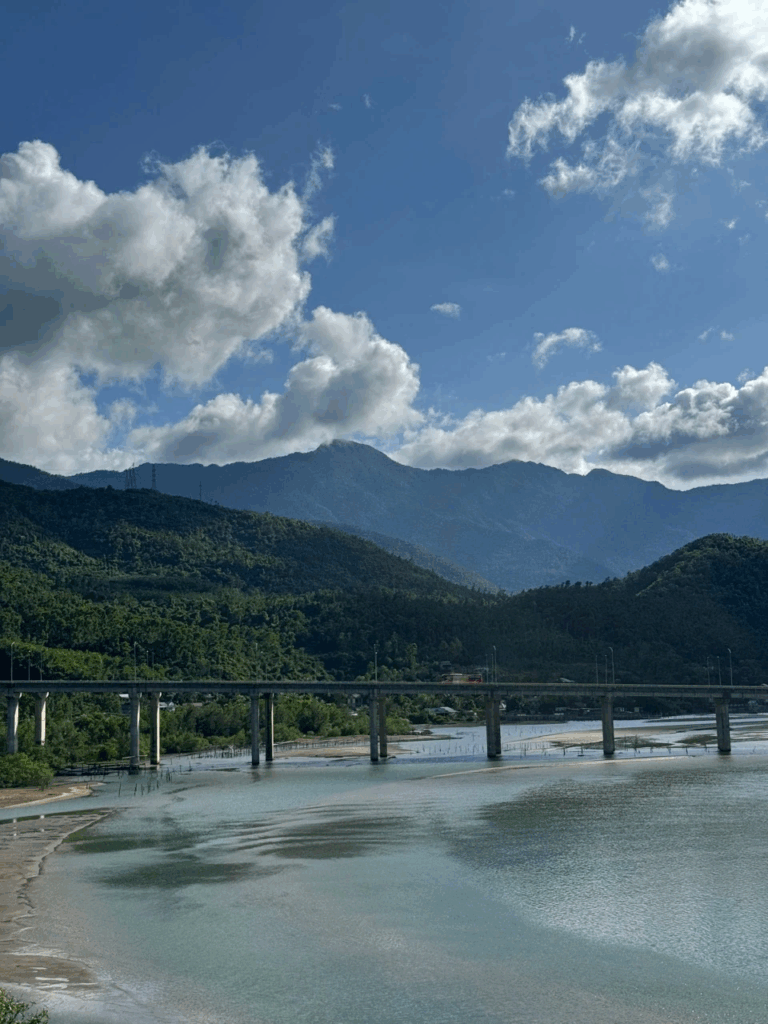
Hai Van Pass is famous for its winding curves, steep ascents, and panoramic vistas. As you ascend the pass, clouds often roll over the mountain, creating a mystical, dreamlike atmosphere. On clear days, travelers are treated to unobstructed views of Da Nang Bay, Lang Co Bay, and the distant Cham Islands.
The road itself is an adventure, with hairpin turns, forested slopes, and cliffside drops, offering a thrilling ride for motorbike lovers and photographers alike.
Historic French Bunkers and Ancient Gate
At the summit of the pass stands a historic stone gate—a remnant from the Nguyen Dynasty—alongside old French and American bunkers used during colonial and wartime eras. These ruins add a haunting beauty to the landscape and provide insight into the strategic importance of Hai Van Pass throughout Vietnamese history.
A Gateway Between Cultures
For centuries, Hai Van Pass served as a natural border between the former Champa Kingdom to the south and Dai Viet to the north. Today, it connects two very different worlds: the ancient imperial capital of Hue, and the modern, seaside city of Da Nang. Traveling the pass is like moving through both time and space.
3. What to See
Panoramic Coastal Views
The highlight of Hai Van Pass is its uninterrupted ocean views. As you travel along the pass, the scenery shifts from forested mountains to cliffside lookouts, revealing bays, coves, fishing villages, and rolling waves. Some viewpoints offer perfect spots to stop, breathe in the sea air, and take sweeping photographs.
Hai Van Gate (Hai Van Quan)
Located at the highest point of the pass, the Hai Van Gate is an ancient stone arch built in the 19th century during the reign of Emperor Minh Mang. The gate marks the former border between Hue and Quang Nam province and bears the inscription “The Most Grandiose Gateway in the World.” Today, it’s a popular rest stop where travelers can explore historic ruins and admire 360-degree views.
French and American War Bunkers
Surrounding the gate are weathered concrete bunkers, remnants from both the French colonial era and the Vietnam War. Though crumbling, these structures are open to visitors and provide a poignant contrast to the natural beauty around them. They are reminders of the strategic role this pass played in Vietnam’s turbulent past.
Lang Co Bay and Da Nang Bay (from above)
From the northern side of the pass, travelers can look down upon Lang Co Bay, a crescent-shaped stretch of beach bordered by lagoons and mountains. On the southern side, Da Nang Bay spreads out toward the horizon, framed by the city skyline and the Son Tra Peninsula.
4. How to Explore
By Motorbike – The Classic Way
Riding a motorbike over Hai Van Pass is one of the most iconic experiences in Vietnam. The road is smooth but challenging, with many curves and changes in elevation. Motorbike rentals are available in both Hue and Da Nang, and many backpackers choose this route for its freedom and adventure. Helmets and cautious driving are a must.
By Car or Private Tour
If you prefer comfort, hiring a private car with a driver is a great way to explore the pass at your own pace. Most tours allow you to stop for photos, visit Hai Van Gate, and enjoy coffee at scenic cafés along the way. This option is ideal for families or travelers short on time.
By Train – A Scenic Alternative
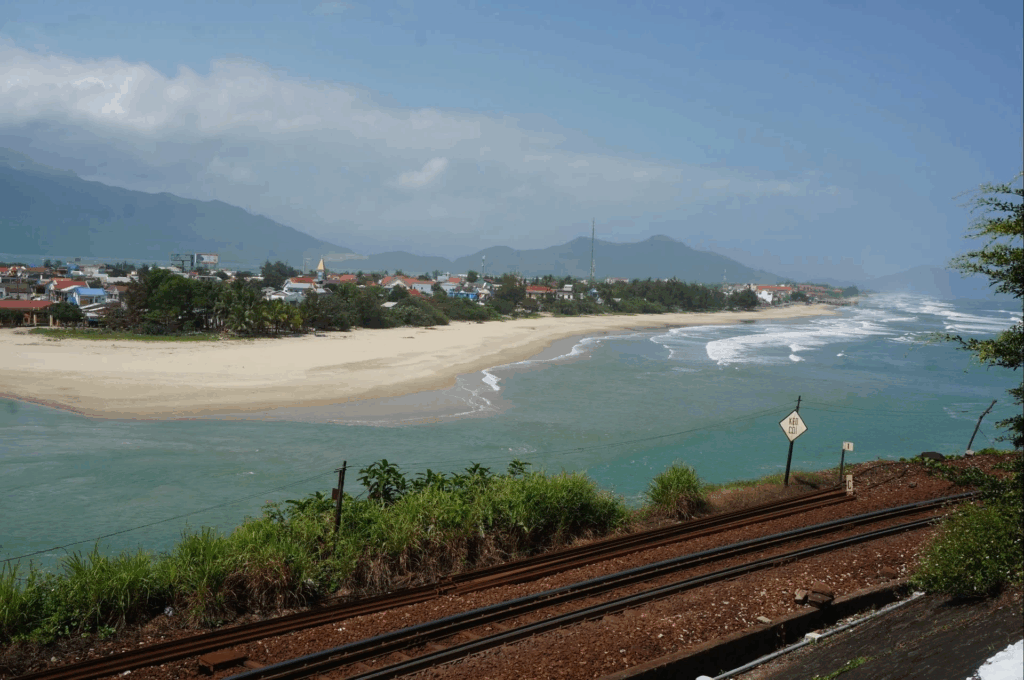
The Reunification Express train, running between Hue and Da Nang, passes through tunnels and along coastal cliffs near Hai Van. Though it doesn’t go over the pass itself, the train ride offers spectacular views of the coastline and is a safer, more relaxed option for enjoying the scenery.
5. Suggested Local Cuisine
Grilled Oyster with Scallions and Peanuts
If you’re descending toward Lang Co from the pass, don’t miss the chance to try fresh grilled oysters—a local specialty. Oysters are farmed in the nearby Lap An Lagoon, then grilled with green onion oil, peanuts, and a dash of chili salt. The taste is rich and smoky, and pairs perfectly with a cold drink and ocean views.
Banh Nam (Steamed Rice Cakes)
Common in the Hue region, banh nam is a soft, savory rice cake made with ground shrimp and wrapped in banana leaves. It’s often enjoyed as a light snack or breakfast, especially by travelers stopping at roadside eateries before or after the pass.
Banh Ep (Crispy Pork Rice Paper)
A favorite street snack found in Lang Co and Hue, banh ep is a thin rice paper grilled with quail egg, minced pork, and herbs. It’s usually served hot and folded in half like a taco, dipped in sweet chili sauce. The flavors are bold and satisfying—perfect after a mountain drive.
6. Where to Eat
Hai Van Café (near the summit)
This rustic café is perched right near the Hai Van Gate, offering hot Vietnamese coffee, coconut drinks, and a panoramic view of the entire pass. It’s a popular resting spot for bikers and hikers, with hammocks and wooden benches to relax on while admiring the clouds rolling through the hills.
Be Than Restaurant (Lap An Lagoon side)
Located just north of the pass near Lang Co Bay, this local restaurant is known for fresh seafood like oysters, clams, and grilled squid. Seating overlooks the lagoon, and the peaceful surroundings make it a favorite spot for both locals and travelers.
Roadside Eateries along National Highway 1A
There are several simple eateries and food stalls on both sides of the pass where you can grab noodle soups, iced tea, and grilled meats. While not fancy, these spots are welcoming and affordable, offering a taste of daily life along the coast.
7. How to Get There
From Da Nang
Hai Van Pass begins about 15 kilometers north of Da Nang city center. You can take National Highway 1A, then branch onto the pass road before reaching the Hai Van Tunnel. The drive to the top of the pass takes 30–45 minutes by motorbike or car. Motorbike rentals are widely available in Da Nang for adventurous travelers.
From Hue
From Hue, the pass lies about 60 kilometers to the south. You can either drive over the pass from the Lang Co side or take the Hai Van Tunnel for a quicker route. Those wanting the full experience should enter from the north and ascend gradually to enjoy views of Lang Co Bay and the lush valleys.
By Train
If you prefer not to drive, the Reunification Express train offers a scenic ride between Hue and Da Nang. Though it doesn’t go directly over the pass, the coastal segment near Hai Van offers some of the best views from a train window in Vietnam—especially as it hugs cliffs above the sea.
8. Best Time to Visit
- Dry season (March to August): This is the most recommended time to visit Hai Van Pass. Clear skies offer unobstructed views, safe driving conditions, and ideal weather for photography. The landscape is vibrant green, and sea views stretch for miles on both sides of the pass.
- Early morning and late afternoon: Sunrise and sunset are the best times to experience the pass’s mystical beauty. Morning mist rolls through the forest, and golden light enhances every curve. Late afternoon provides cooler temperatures and glowing vistas of Da Nang or Lang Co as the sun sets behind the mountains.
- Rainy season (September to January): The pass can be foggy and slippery during the monsoon season. Visibility may be limited, but on certain misty days, the clouds create a surreal, otherworldly scene. Extra caution is advised when driving during or after rainfall.
- Avoid holiday traffic: Vietnamese national holidays like Tet and Reunification Day can lead to heavy traffic on the pass. If possible, plan your visit on a weekday or in the shoulder months (February–April or September).
9. Things to Do
Ride a Motorbike Along the Pass
For many travelers, riding a motorbike along Hai Van Pass is a rite of passage. The road’s curves and elevation changes offer a thrilling but manageable challenge, and the sense of freedom is unparalleled. Make multiple stops at viewpoints and take your time exploring.
Take Photos at Hai Van Gate
This ancient stone gate marks the top of the pass and is surrounded by French colonial bunkers and open viewpoints. It’s the perfect place to stretch your legs, take photos, and enjoy a drink from the nearby café. On clear days, you can see Lang Co Bay to the north and Da Nang Bay to the south.
Visit Abandoned French and American Bunkers
Wander through the weathered concrete structures that once served as military outposts. Graffiti and nature now cover the bunkers, but the sense of history remains strong. You’ll find great vantage points from their rooftops, especially at sunrise or sunset.
Watch the Clouds Roll In
Hai Van means “Ocean Clouds,” and it earns its name when mist and low clouds drift across the mountains, wrapping the pass in a soft white veil. Watching clouds sweep through the hills, then suddenly part to reveal the sea below, is an experience you’ll never forget.
10. Travel Tips
- Wear layers: Even in summer, the top of the pass can be cool and windy, especially in the early morning or late afternoon. A light jacket is recommended.
- Fuel up before the climb: There are limited gas stations on the pass itself, so fill up in Da Nang or Lang Co before starting the drive.
- Check weather conditions: Before departing, check the weather forecast. Visibility is key for enjoying the views, and rain can make the road slippery—especially on motorbikes.
- Use caution on curves: Though the road is well-paved, its tight turns and steep sections require focus. Drive slowly, stay in your lane, and watch out for oncoming traffic.
- Hire a guide or join a tour: If you’re not confident navigating on your own, join a guided motorbike tour or hire a driver. This allows you to relax and focus on taking in the scenery.
- Bring a camera and power bank: You’ll stop frequently to photograph the changing views. Make sure your phone or camera is fully charged, and bring a backup battery or power bank.
