


1. Introduction
Nestled in the heart of Quang Binh Province, central Vietnam, Phong Nha – Ke Bang National Park is one of Southeast Asia’s most spectacular natural wonders. Located approximately 500 kilometers south of Hanoi and about 50 kilometers northwest of Dong Hoi city, the park spans over 1,200 square kilometers and shares a border with Laos. This lush region is part of the Annamite Mountain Range and offers one of the oldest and most complex karst landscapes in the world—formed more than 400 million years ago.
Phong Nha – Ke Bang is not just a natural treasure; it is a UNESCO World Heritage Site (recognized in 2003 and extended in 2015) celebrated for its outstanding geological and ecological value. The region is home to more than 300 caves and grottoes, including the world-famous Son Doong Cave, which is currently the largest cave by volume on Earth. These cave systems extend for hundreds of kilometers underground, many of which are still being discovered and explored today.
Culturally, the region is rooted in deep Vietnamese heritage. Local ethnic communities such as the Bru–Van Kieu and Chut people live in harmony with the forest, preserving age-old traditions, farming methods, and spiritual beliefs tied to the mountains and rivers. The local way of life reflects a unique blend of ecological sustainability and cultural continuity, which visitors can experience through village visits and eco-tourism activities.
Historically, Phong Nha also played a significant role during the Vietnam War, with many of its caves serving as shelters and supply routes. The scars of war remain part of the narrative here, adding historical depth to the breathtaking natural scenery. Today, Phong Nha – Ke Bang has become a thriving hub for eco-tourism and adventure travel, attracting explorers, nature lovers, and curious travelers from all over the world.
To travel to Phong Nha is not only to discover magnificent caves and dramatic limestone cliffs, but also to experience Vietnam’s ancient geology, wartime history, and the vibrant culture of its resilient people—all in one unforgettable destination.
2. Highlights
Unique Karst Landscape
Phong Nha Ke Bang is famous for its extraordinary karst topography formed over hundreds of millions of years. The park features towering limestone mountains, deep valleys, and extensive underground river systems. This geological formation makes it one of the oldest and most impressive karst regions on the planet.
Phong Nha Caves – Son Doong and Paradise Cave
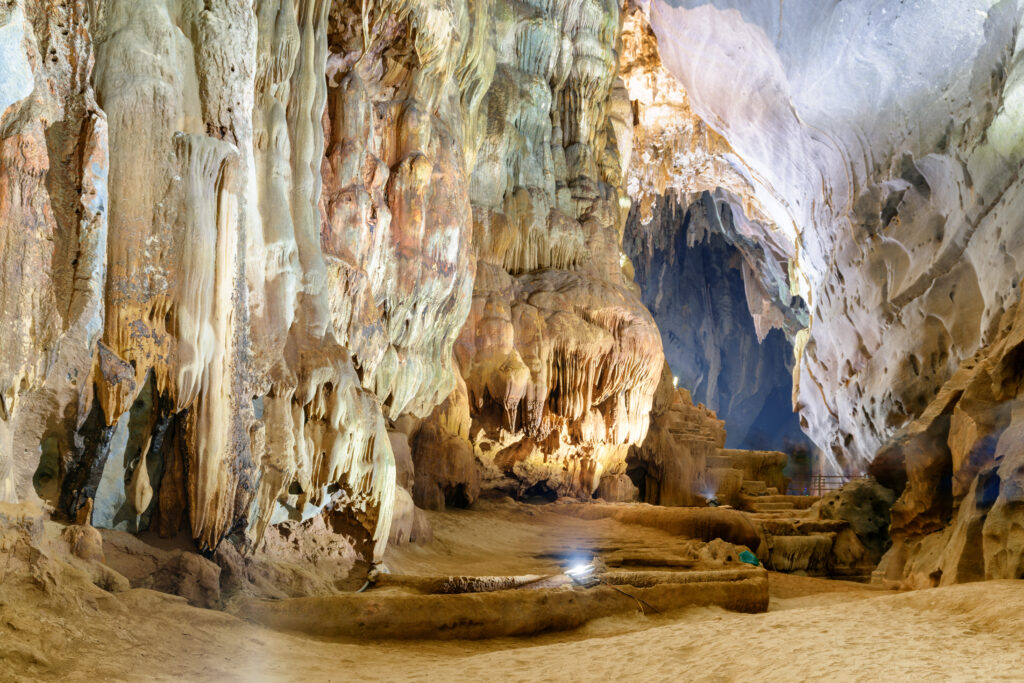
The park is home to over 300 caves, with Son Doong Cave being the world’s largest by volume. Son Doong contains massive chambers, underground jungles, and rivers, creating an isolated ecosystem. Paradise Cave is more accessible and showcases spectacular stalactites and stalagmites along a 31 km-long passageway illuminated for visitors.
Biodiversity and Wildlife
Phong Nha Ke Bang protects rich biodiversity, including many rare and endemic species. The dense forest is a habitat for endangered animals like the Saola (Asian Unicorn) and Tonkin snub-nosed monkey. The conservation efforts in this area make it an important sanctuary for wildlife.
Adventure Activities at Dark Cave and Chay River
Dark Cave offers a unique combination of adventure and nature. Visitors can zipline into the cave, kayak on the river, and enjoy mud baths inside the cave’s muddy interior. These activities make the natural beauty of Phong Nha Ke Bang interactive and thrilling.
Scenic Natural Attractions
Beyond the caves, the park features serene landscapes such as the botanical gardens and Gio Waterfall. These spots provide opportunities for hiking, photography, and relaxing in the peaceful natural surroundings, complementing the excitement of cave exploration.
3. What to See in Phong Nha Ke Bang
Son Doong Cave – The World’s Largest Cave
Son Doong Cave is the crown jewel of the Phong Nha caves. Measuring more than 5 kilometers in length and with chambers large enough to house a 40-story building, it offers breathtaking underground landscapes. Visitors can witness unique ecosystems with dense jungles, a flowing underground river, and gigantic stalactites. Due to its remote location and preservation efforts, access is limited and requires booking months in advance with licensed tour operators.
Paradise Cave (Thiên Duongng Cave)
Paradise Cave is one of the most visited caves in Phong Nha Ke Bang. Stretching over 31 kilometers, it features awe-inspiring stalactites and stalagmites that form spectacular natural sculptures. The cave is well-lit and includes a wooden walkway for easy exploration, making it accessible for most travelers. The serene silence inside the cave combined with its stunning formations creates a magical atmosphere.
Phong Nha Cave
Phong Nha Cave is famous for its underground river and beautiful grottoes. Visitors take a scenic boat ride along the 7.7 km river inside the cave, passing through impressive chambers with distinctive rock formations like the “Lion” and “Royal Court.” This cave is an ideal choice for travelers who want to experience the magic of Phong Nha caves without strenuous trekking.
Dark Cave (Hang Toi)
Dark Cave offers a unique blend of adventure and natural wonder. Visitors can zipline into the cave, kayak along the river, swim, and even enjoy a fun mud bath inside the cave’s dark, muddy interior. This active experience is perfect for travelers seeking more than just sightseeing when exploring Phong Nha Ke Bang.
Botanical Garden and Gio Waterfall
The Phong Nha Botanical Garden is a peaceful spot to see the region’s rich plant biodiversity. Walking trails lead to Gio Waterfall, a beautiful 30-meter high cascade surrounded by lush forest. This area is perfect for hiking, photography, and taking a refreshing break from cave excursions.
4. What to Do in Phong Nha Ke Bang
Explore the Caves with Guided Tours
One of the best ways to experience Phong Nha caves is by joining guided tours. From easy boat rides in Phong Nha Cave to challenging expeditions in Son Doong, these tours provide safe access and expert insights about the geology, history, and ecology of the caves. Many tours also offer equipment and support, making the adventure accessible even to less experienced travelers.
Zip-lining and Kayaking at Dark Cave
For thrill-seekers, Dark Cave (Hang Toi) offers exciting activities like zip-lining into the cave’s entrance and kayaking along the underground river. Afterward, you can enjoy a unique mud bath inside the cave’s mud pools, believed to have health benefits. This combination of adventure and relaxation makes Dark Cave a must-visit attraction in Phong Nha Ke Bang.
Trekking and Hiking
Phong Nha Ke Bang’s vast natural area provides excellent trekking opportunities. Trails range from easy walks around the botanical garden to more strenuous hikes that lead to remote caves or scenic viewpoints. Hiking through the jungle lets you encounter diverse flora and fauna, listen to birdsong, and breathe fresh mountain air.
Cycling Through the Countryside
Renting a bicycle is a popular way to explore the rural landscapes surrounding Phong Nha. Cycling along quiet country roads, visitors can discover traditional villages, rice paddies, and local farms, offering a glimpse of rural life and culture. It’s a peaceful way to enjoy the scenery at your own pace.
Visit Local Villages and Learn About Ethnic Cultures
The region is home to indigenous groups like the Bru–Van Kieu and Chut communities. Visiting these villages gives travelers insight into traditional crafts, farming practices, and cultural customs. Many tours offer homestay experiences, where guests can immerse themselves in local life and enjoy authentic hospitality.
Relax by the River or Waterfalls
After a day of adventure, relaxing by the scenic Chay River or near Gio Waterfall is a great way to unwind. These spots provide beautiful natural settings for picnics, swimming, or simply enjoying the tranquility of the forest and water.
5. Suggested Cuisine
Phong Nha Ke Bang is not only famous for its stunning caves but also for its unique and authentic local cuisine. The food here reflects the region’s natural bounty and ethnic cultural heritage, offering visitors an unforgettable culinary experience deeply rooted in Central Vietnam’s traditions.
Grilled Pork with Lemongrass (Thit Nuong Sa)
A signature dish of the region, grilled pork marinated with lemongrass, garlic, and local spices is tender, flavorful, and smoky. This dish is often served with fresh herbs, rice noodles, and a tangy dipping sauce made from fish sauce, lime, and chili. It’s a perfect balance of savory and aromatic tastes that visitors must try.
Canh Chua (Sour Soup)
Canh Chua is a traditional Vietnamese sour soup commonly made with fish, tamarind, pineapple, tomatoes, and herbs. In Phong Nha, the soup often features fresh river fish caught nearby, giving it a unique and fresh flavor. This light yet tangy soup refreshes the palate after a day exploring the caves.
Banh Bot Loc (Clear Shrimp and Pork Dumplings)
This popular local snack consists of translucent tapioca dumplings filled with shrimp and pork, steamed or boiled and served with a sweet and spicy fish sauce dipping sauce. Its chewy texture and rich filling make it a favorite among both locals and tourists.
Com Lam (Bamboo Sticky Rice)
A traditional dish in ethnic minority communities around Phong Nha, com lam is sticky rice cooked inside bamboo tubes over an open flame. The rice absorbs the aroma of bamboo, creating a subtle smoky flavor. It is usually eaten with grilled meat or dipped in a special salt-pepper-chili mix, highlighting the simplicity and earthiness of local food.
Lau (Hot Pot)
For groups or families, enjoying a hot pot meal is a social and warming experience. Local lau in Phong Nha feature fresh ingredients such as river fish, wild vegetables, mushrooms, and aromatic herbs. The flavorful broth simmers at the table, allowing diners to cook and enjoy fresh produce while sharing stories after a day of adventure.
Local Freshwater Fish
Due to its proximity to rivers and streams, Phong Nha offers an abundance of fresh fish dishes. Fish is usually grilled, steamed, or cooked in clay pots with local herbs. The freshness of the fish and the subtle flavors of local seasonings make these dishes stand out.
6. Where to Eat in Phong Nha Ke Bang
Phong Nha Town Center
The town center is the main hub for dining options in the Phong Nha area. Here, travelers can find a variety of local restaurants, street food stalls, and cafes offering authentic Central Vietnamese dishes and international cuisine. It’s a convenient place to sample grilled pork, banh bot loc, and fresh river fish in casual, friendly settings.
Local Markets
Visiting local markets in and around Phong Nha offers a chance to taste freshly prepared street food and traditional snacks. Markets are lively places where vendors serve dishes like com lam, banh xeo, and lau at affordable prices. They also give insight into local food culture and daily life.
Riverside Restaurants
Several riverside restaurants along the Chay River provide scenic dining experiences. Enjoying a meal with views of the water and limestone karsts creates a peaceful atmosphere, perfect for relaxing after cave exploration. Many of these restaurants specialize in fresh seafood and grilled specialties sourced locally.
Homestays and Ethnic Village Meals
For an authentic cultural experience, many homestays and ethnic villages offer home-cooked meals using traditional recipes passed down through generations. Dining in these settings allows visitors to connect with local families and savor dishes like canh chua and com lam in a warm, welcoming environment.
Cafes and Snack Bars
Phong Nha also has a growing number of cafes and snack bars, where travelers can enjoy Vietnamese coffee, fresh fruit smoothies, and light snacks. These spots are ideal for a quick break between tours or to relax in a cozy atmosphere while planning the next adventure.
7. How to Travel to and Around Phong Nha Ke Bang
How to Travel to Phong Nha
By Air
The nearest airport to Phong Nha Ke Bang is Dong Hoi Airport (Quang Binh Airport). It has regular domestic flights connecting to major cities like Hanoi and Ho Chi Minh City. From the airport, visitors can take a taxi or shuttle bus to Phong Nha town, which takes about 40-50 minutes.
By Train
Dong Hoi Railway Station is the closest train station to Phong Nha. Trains run frequently along the North-South Railway, connecting with major cities. From the station, taxis or motorbikes can be hired for a 40-minute ride to Phong Nha.
By Car or Motorbike
For those who prefer driving, the road system is well maintained. Phong Nha is accessible via National Highway 1A and other provincial roads. Driving allows flexibility and the chance to explore scenic stops along the way.
How to Travel Around Phong Nha
Motorbike Rental
Motorbikes are the most popular and convenient way to explore Phong Nha and its surroundings. Rentals are affordable and widely available in town. With a motorbike, visitors can easily reach caves, waterfalls, and remote villages at their own pace.
Bicycle Rental
For a slower, more relaxed pace, bicycles are perfect for exploring nearby villages and countryside. Many guesthouses and shops offer bike rentals. Cycling also allows closer interaction with local life and nature.
Taxi and Private Car
Taxis and private car hires are available for those who prefer comfort or are traveling in groups. This option is convenient for day trips to caves like Son Doong or Paradise Cave, especially if you want to avoid driving.
Boat Tours
Boat rides are essential for visiting caves such as Phong Nha Cave, where the underground river forms a natural waterway inside the cave. Guided boat tours are organized daily, providing both transportation and a scenic experience on the river.
Walking and Hiking
Many attractions are accessible on foot from the town or nearby areas. Marked hiking trails through the national park allow visitors to explore the natural beauty up close. Some treks lead to lesser-known caves and scenic viewpoints.
8. Travel Tips for Visiting Phong Nha Ke Bang
Book Tours in Advance
Phong Nha Ke Bang is a popular destination, especially for famous caves like Son Doong and Paradise Cave. To secure a spot, it’s highly recommended to book cave tours and guided trips several months ahead. Many tours have limited daily capacity to protect the environment and ensure safety.
Prepare Appropriate Gear
When exploring caves and trekking in the national park, bring lightweight, breathable clothing, sturdy hiking shoes, and a waterproof jacket. A headlamp or flashlight is useful for less-developed caves or night walks. Don’t forget insect repellent to protect against mosquitoes in the forested areas.
Respect Local Culture and Environment
Phong Nha Ke Bang is home to ethnic minority communities and diverse wildlife. Always respect local customs, ask permission before photographing people, and avoid disturbing animals or plants. Carry reusable water bottles and minimize plastic waste to help preserve the natural environment.
Stay Hydrated and Protect Yourself from the Sun
The tropical climate can be hot and humid, so drink plenty of water throughout the day. Use sunscreen, wear hats, and sunglasses to protect yourself from strong sunlight, especially during outdoor activities.
Travel Insurance and Health Precautions
It’s advisable to have travel insurance that covers adventure activities like cave exploration and trekking. Carry a basic first aid kit for minor injuries, and consult your doctor before traveling if you have specific health concerns.
Cash and Payment Methods
While some larger restaurants and hotels accept credit cards, many local vendors and small eateries only accept cash. It’s a good idea to carry sufficient Vietnamese dong (VND) when exploring Phong Nha.
Best Time to Visit
The ideal time to visit Phong Nha Ke Bang is from February to August when the weather is dry and caves are accessible. Avoid the rainy season (September to January) due to potential flooding in caves and difficult travel conditions.
